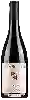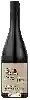
Domaine Le Mur-Mur-IumLe Talisman du Murmurium
 Red wine


This wine generally goes well with beef, lamb or mature and hard cheese.

Food and wine pairings with Le Talisman du Murmurium
Pairings that work perfectly with Le Talisman du Murmurium



Original food and wine pairings with Le Talisman du Murmurium

The Le Talisman du Murmurium of Domaine Le Mur-Mur-Ium matches generally quite well with dishes of beef, lamb or spicy food such as recipes of beef tongue with pickle sauce, steamed lamb shoulder with cumin and coriander or moroccan veal tagine from hanane.
Details and technical informations about Domaine Le Mur-Mur-Ium's Le Talisman du Murmurium.
Discover the grape variety: Mourvèdre
Powerful, deep reds with firm tannins and dense texture, showing aromas of blackberry, leather, garrigue, black pepper, liquorice and animal notes (game, forest floor) with age. Star of Bandol AOC as a single variety and pillar of Châteauneuf-du-Pape, Gigondas and Costières blends. Also in GSM in Languedoc and Australia. A late-ripening variety of Spanish origin (Mataró/Monastrell).
Informations about the Domaine Le Mur-Mur-Ium
The Domaine Le Mur-Mur-Ium is one of of the world's great estates. It offers 36 wines for sale in the of Vin de France to come and discover on site or to buy online.

The wine region of Vin de France
The freest category of French wine, the playground of winemakers working outside the AOC. All styles combined: fruity reds, lively or ambitious whites, everyday rosés, unusual blends, natural wines, atypical grapes (Petit Manseng in Languedoc, Riesling in Provence), experimental winemaking (skin-contact whites, no sulphur). Grape and vintage labelling allowed, no geographic constraint. From the pop, convivial cuvée to the artisan gem: freedom in a bottle.
The word of the wine: Oxidative (breeding)
A method of ageing which aims to give the wine certain aromas of evolution (dried fruit, bitter orange, coffee, rancio, etc.) by exposing it to the air; it is then matured either in barrels, demi-muids or unoaked casks, sometimes stored in the open air, or in barrels exposed to the sun and to temperature variations. This type of maturation characterizes certain natural sweet wines, ports and other liqueur wines.