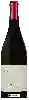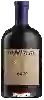
Domaine La PléiadeMaury Doux Naturel
 Natural sweet wine


This wine generally goes well with
The Maury Doux Naturel of the Domaine La Pléiade is in the top 30 of wines of Maury.


Details and technical informations about Domaine La Pléiade's Maury Doux Naturel.
Discover the grape variety: Manseng noir
Manseng noir is a grape variety from the western Pyrenees, close to tannat, a famous grape variety from southwest France. It is also called mansein, mansec or mancep in the Lot. It has been around since the 13th century and has given rise to Petit Manseng and Gros Manseng, two varieties of the same family but with quite different characteristics. Manseng noir remains essential for the AOC Béarn, where it is grown on about ten hectares. However, Manseng noir is a vigorous, productive and disease-resistant grape variety. It gives wines with a colourful robe, powerful, with aromas of black fruits and mushrooms, quite fine and with an interesting ageing potential.
Last vintages of this wine

The best vintages of Maury Doux Naturel from Domaine La Pléiade are 1995
Informations about the Domaine La Pléiade
The Domaine La Pléiade is one of of the world's greatest estates. It offers 9 wines for sale in the of Maury to come and discover on site or to buy online.

The wine region of Maury
Maury is a town in the northern Roussillon region of southern France. Its name is best known as an appellation for the natural Sweet wines produced around the town, although in 2011 the separate AOC Maury Sec came into effect for Dry red wines, due to the recognition that a local wine industry based entirely on fortified wine was too narrowly focused. The natural sweet wines of Maury are mainly produced from the Grenache grapes (Grenache Noir, Grenache Blanc and Grenache Gris). They are produced in a style very similar to the sweet wines of Banyuls, 35 miles (57km) to the southeast, which also use Grenache.
The wine region of Languedoc-Roussillon
Languedoc (formerly Coteaux du Languedoc) is a key appellation used in the Languedoc-Roussillon wine region of southern France. It covers Dry table wines of all three colors (red, white and rosé) from the entire region, but leaves Sweet and Sparkling wines to other more specialized appellations. About 75% of all Languedoc wines are red, with the remaining 25% split roughly down the middle between whites and rosés. The appellation covers most of the Languedoc region and almost a third of all the vineyards in France.
The word of the wine: Decanter
1) Glass container with a narrow neck used to aerate or decant the wine. 2) Decanter wines: wines that are drunk young and that were once drawn directly from the barrel. For example, some Muscadets or Beaujolais.