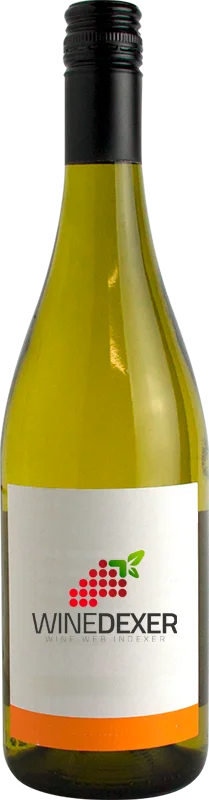
Domaine du Petit Fromentinl'Orchidee Viognier
 White wine



This wine generally goes well with pork, poultry or game (deer, venison).

Food and wine pairings with l'Orchidee Viognier
Pairings that work perfectly with l'Orchidee Viognier



Original food and wine pairings with l'Orchidee Viognier



The l'Orchidee Viognier of Domaine du Petit Fromentin matches generally quite well with dishes of pork, game (deer, venison) or shellfish such as recipes of country cabbage, duck breast with goat cheese and local ham or wok of pointed cabbage with shrimps and lemongrass bo bun style.
Details and technical informations about Domaine du Petit Fromentin's l'Orchidee Viognier.
Discover the grape variety: Viognier
Opulent, heady whites, rich and silky, with intense aromas of apricot, yellow peach, mango, violet, honeysuckle and musky, honeyed notes. Discreet acidity, creamy finish. Star of Condrieu AOC and Château-Grillet AOC, co-vinified in Côte-Rôtie with Syrah (up to 20%). Widely exported to California (Central Coast), Australia (Eden Valley) and Languedoc. A Rhône variety.
Last vintages of this wine
The best vintages of l'Orchidee Viognier from Domaine du Petit Fromentin are 0
Informations about the Domaine du Petit Fromentin
The Domaine du Petit Fromentin is one of of the world's greatest estates. It offers 16 wines for sale in the of Rhone Valley to come and discover on site or to buy online.

The wine region of Rhone Valley
France's 2nd-largest AOC vineyard, two complementary worlds. Northern: pure Syrah in signature reds (Côte-Rôtie, Hermitage, Cornas), deep and peppery with blackberry, violet, black olive and smoked bacon notes, exceptional ageing. Opulent Viognier whites (Condrieu, apricot, flowers) and ample Marsanne-Roussanne. Southern: sun-soaked Grenache blends at Châteauneuf, Gigondas, Vacqueyras (candied fruit, garrigue).
The word of the wine: Runoff
Failure of the vine flower to fertilize at the time of flowering, when the weather is too cold or rainy. Under these conditions, the vine will have few or no clusters.


