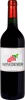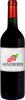
Domaine de MontmollinClos la Grande Rochette Syrah
 Red wine
In the mouth this red wine is a powerful with a nice balance between acidity and tannins.
This wine generally goes well with poultry, beef or game (deer, venison).

Taste structure of the Clos la Grande Rochette Syrah from the Domaine de Montmollin
Light | Bold | |
Smooth | Tannic | |
Dry | Sweet | |
Soft | Acidic |
In the mouth the Clos la Grande Rochette Syrah of Domaine de Montmollin in the region of Neuchâtel is a powerful with a nice balance between acidity and tannins.
Food and wine pairings with Clos la Grande Rochette Syrah
Pairings that work perfectly with Clos la Grande Rochette Syrah



Original food and wine pairings with Clos la Grande Rochette Syrah

The Clos la Grande Rochette Syrah of Domaine de Montmollin matches generally quite well with dishes of beef, lamb or game (deer, venison) such as recipes of spanish stew (cocido), marinated leg of lamb with herbs or duck breast with balsamic vinegar.
Details and technical informations about Domaine de Montmollin's Clos la Grande Rochette Syrah.
Discover the grape variety: Béni carlo
Intense, full-bodied, high-alcohol reds with a deep purple colour, supple tannins and an ample palate with moderate acidity, featuring signature aromas of ripe black fruits (blackberry, plum), spices and Mediterranean notes from the Levant. Productive. Once exported to Bordeaux in the 19th century to bolster blends, today marginal, surviving in a few heritage plots of the Spanish Levant. Indigenous Spanish black variety from Valencia and Catalonia, around Benicarló.
Informations about the Domaine de Montmollin
The Domaine de Montmollin is one of of the world's great estates. It offers 46 wines for sale in the of Neuchâtel to come and discover on site or to buy online.

The wine region of Neuchâtel
Swiss vineyard on the western shore of the lake, 606 ha in the Three Lakes region. Signature Pinot Noir (55% of the vineyard, the local prince): fine, fresh reds with notes of cherry, raspberry, undergrowth and sweet spices, silky tannins. Specialty invented here: Œil-de-Perdrix, a delicate Pinot Noir rosé with salmon hues. Lively, mineral Chasselas (citrus, flint) in white, including the identity-marking Non-Filtré primeur.
The word of the wine: Vineyard
Said of a wine with a certain alcoholic richness and clearly showing the characteristics that distinguish wine from other alcoholic beverages.