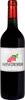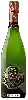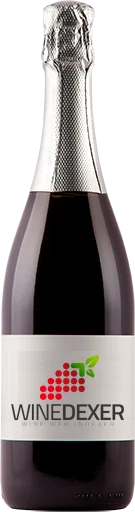
Winery Celler Ronadelles - Cap de RucCava Brut Nature
 Sparkling wine


This wine is a blend of 2 varietals which are the Chardonnay and the Xarello.
In the mouth this sparkling wine is a with fine and regular bubbles.
This wine generally goes well with appetizers and snacks, lean fish or shellfish.

Taste structure of the Cava Brut Nature from the Winery Celler Ronadelles - Cap de Ruc
Light | Bold | |
Soft | Acidic | |
Gentle | Fizzy |
In the mouth the Cava Brut Nature of Winery Celler Ronadelles - Cap de Ruc in the region of Cava is a with fine and regular bubbles.
Food and wine pairings with Cava Brut Nature
Pairings that work perfectly with Cava Brut Nature



Original food and wine pairings with Cava Brut Nature


The Cava Brut Nature of Winery Celler Ronadelles - Cap de Ruc matches generally quite well with dishes of shellfish, appetizers and snacks or lean fish such as recipes of barbecued lobster, baked chestnuts or paella de marisco (seafood paella).
Details and technical informations about Winery Celler Ronadelles - Cap de Ruc's Cava Brut Nature.
Discover the grape variety: Chardonnay
Whites with many faces: mineral and taut at Chablis (lemon, green apple, flint), opulent and buttery at Meursault and Puligny-Montrachet (hazelnut, brioche, yellow fruits), tense and chalky in Champagne (Blanc de Blancs). Also vinified sparkling and widely exported (Sonoma, Margaret River, Casablanca). A Burgundian variety, a cross of Pinot Noir × Gouais Blanc, half-sibling of Aligoté.
Last vintages of this wine

The best vintages of Cava Brut Nature from Winery Celler Ronadelles - Cap de Ruc are 2012, 2015, 2013, 0 and 2016.
Informations about the Winery Celler Ronadelles - Cap de Ruc
The Winery Celler Ronadelles - Cap de Ruc is one of of the world's great estates. It offers 43 wines for sale in the of Cava to come and discover on site or to buy online.

The wine region of Cava
Spain's star traditional-method sparkler, the Iberian equivalent of Champagne. Three Catalan grapes blended: Macabeo (apple, freshness), Xarel-lo (body and herbaceous notes), Parellada (elegance and floral finesse). Chardonnay and Pinot Noir also allowed. From fruit-driven Brut to Gran Reserva (30 months on lees) with brioche and toasted notes.
The word of the wine: Density per hectare
Number of vines per hectare. For the same yield, a vine planted with 3,000 vines per hectare bears many more bunches (per vine) than a vine planted with 10,000. The grapes will therefore be less rich in sugar and polyphenols (tannins, aromas...).