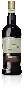
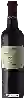
Winery CazesLes Clos de Paulilles Banyuls Traditionnel
 Natural sweet wine



This wine generally goes well with beef and mature and hard cheese.
The Les Clos de Paulilles Banyuls Traditionnel of the Winery Cazes is in the top 40 of wines of Banyuls.

Wine flavors and olphactive analysis



On the nose the Les Clos de Paulilles Banyuls Traditionnel of Winery Cazes in the region of Languedoc-Roussillon often reveals types of flavors of coffee, leather or cocoa and sometimes also flavors of chocolate, caramel or raisin.
Food and wine pairings with Les Clos de Paulilles Banyuls Traditionnel
Pairings that work perfectly with Les Clos de Paulilles Banyuls Traditionnel


Original food and wine pairings with Les Clos de Paulilles Banyuls Traditionnel
The Les Clos de Paulilles Banyuls Traditionnel of Winery Cazes matches generally quite well with dishes of beef or mature and hard cheese such as recipes of fricandeaux german style or matouille or hot tome des bauges (savoie).
Details and technical informations about Winery Cazes's Les Clos de Paulilles Banyuls Traditionnel.
Discover the grape variety: Kernling
Aromatic, structured whites and pale rosés with a pinkish-skinned robe, a supple palate with preserved acidity. Signature muscat-style aromas, white flowers and yellow fruits inherited from the Kerner. Productive and early ripening. Grown on small surfaces in Germany (Württemberg) in blended white and rosé cuvées. A grey German variety, a reddish-skinned mutation of the Kerner, obtained at Weinsberg.
Last vintages of this wine
The best vintages of Les Clos de Paulilles Banyuls Traditionnel from Winery Cazes are 2012, 2011, 2009
Informations about the Winery Cazes
The Winery Cazes is one of of the world's great estates. It offers 97 wines for sale in the of Banyuls to come and discover on site or to buy online.

The wine region of Banyuls
AOC natural sweet wine of the Catalan Côte Vermeille, spectacular schist terrace vineyards facing the Mediterranean. Black Grenache fortified with alcohol (min. 50%, min. 75% in Grand Cru).
The wine region of Languedoc-Roussillon
Largest single French vineyard, dominated by sunny, generous reds. Spicy Syrah, candied Grenache (ripe fruit, garrigue), structured Carignan, deep Mourvèdre, supple Cinsault. Stars: structured Corbières, Minervois, Faugères, Saint-Chinian; round Côtes-du-Roussillon. Legendary vins doux naturels: Banyuls and Maury (fortified Grenache) with notes of cocoa, fig, prune.
The word of the wine: Cornalin
Black grape variety native to the Valais (Switzerland). It produces renowned wines of a dark purple colour with violet hues, an elegant bouquet and a powerful, fresh, fruity (cherry) and spicy palate. Cornalin wines can be drunk young or after several years of ageing, with game.