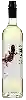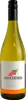
Winery Di MalloMoscato Seco
 White wine


This wine generally goes well with sweet desserts
Food and wine pairings with Moscato Seco
Pairings that work perfectly with Moscato Seco

Original food and wine pairings with Moscato Seco
The Moscato Seco of Winery Di Mallo matches generally quite well with dishes of sweet desserts such as recipes of real chocolate cake.
Details and technical informations about Winery Di Mallo's Moscato Seco.
Discover the grape variety: Cabernet-Mitos
An intraspecific cross between Cabernet Sauvignon and Dyer du Cher obtained in 1970 in Weinsberg, Germany. It can be found in Germany, Switzerland, etc. and is virtually unknown in France.
Last vintages of this wine
The best vintages of Moscato Seco from Winery Di Mallo are 2017, 0
Informations about the Winery Di Mallo
The Winery Di Mallo is one of of the world's great estates. It offers 17 wines for sale in the of Cerro Chapeu to come and discover on site or to buy online.

The wine region of Cerro Chapeu
The wine region of Cerro Chapeu is located in the region of Rivera of Uruguay. Wineries and vineyards like the Domaine Cerro Chapeu or the Domaine Bodegas Carrau produce mainly wines red, white and sparkling. The most planted grape varieties in the region of Cerro Chapeu are Tannat, Cabernet-Sauvignon and Chardonnay, they are then used in wines in blends or as a single variety. On the nose of Cerro Chapeu often reveals types of flavors of blueberry, raspberry or citrus fruit and sometimes also flavors of tree fruit, dried fruit or microbio.
The wine region of Rivera
The wine region of Rivera of Uruguay. Wineries and vineyards like the Domaine Bodegas Carrau or the Domaine Cerro Chapeu produce mainly wines red and white. The most planted grape varieties in the region of Rivera are Tannat, Cabernet-Sauvignon and Pinot noir, they are then used in wines in blends or as a single variety. On the nose of Rivera often reveals types of flavors of apricot, tree fruit or citrus fruit and sometimes also flavors of non oak, earth or microbio.
The word of the wine: Draft liquor (champagne)
After blending, the wine is bottled with a liqueur de tirage (a mixture of sugar and wine) and a yeast (selected yeasts). The yeast attacks the sugar and creates carbon dioxide. The fermentation, which lasts about two months, is prolonged by an ageing period (15 months minimum in total). The bottle is capped (some rare vintages are capped with a staple and a cork).