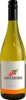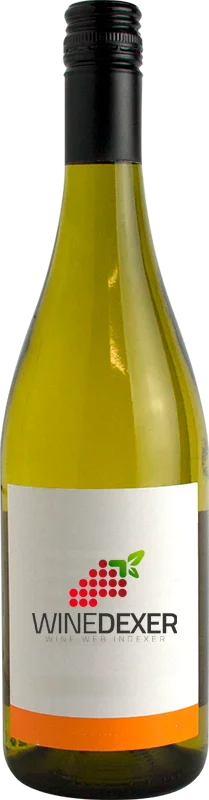
Winery DesomCharta Schengen Prestige Riesling
 White wine


This wine generally goes well with pork, vegetarian or poultry.

Wine flavors and olphactive analysis


On the nose the Charta Schengen Prestige Riesling of Winery Desom in the region of Moselle often reveals types of flavors of earth, microbio or tree fruit and sometimes also flavors of citrus fruit.
Food and wine pairings with Charta Schengen Prestige Riesling
Pairings that work perfectly with Charta Schengen Prestige Riesling



Original food and wine pairings with Charta Schengen Prestige Riesling



The Charta Schengen Prestige Riesling of Winery Desom matches generally quite well with dishes of pork, rich fish (salmon, tuna etc) or spicy food such as recipes of veal saltimbocca, steamed ginger fish (china) or provencal bourride.
Details and technical informations about Winery Desom's Charta Schengen Prestige Riesling.
Discover the grape variety: Riesling
Crystalline, taut whites with vibrant acidity and aromas of citrus, green apple, white flowers, vineyard peach and mineral/petrol notes with age. Made as dry (Trocken, Alsace), off-dry (Kabinett, Spätlese) and sweet (Auslese, Beerenauslese, Trockenbeerenauslese, late harvest). Star of the Moselle, Rheingau, Alsace AOC and Wachau. Also exported to Clare Valley and Finger Lakes.
Last vintages of this wine

The best vintages of Charta Schengen Prestige Riesling from Winery Desom are 2016, 2015, 0, 2014 and 2017.
Informations about the Winery Desom
The Winery Desom is one of of the world's greatest estates. It offers 55 wines for sale in the of Moselle to come and discover on site or to buy online.

The wine region of Moselle
World benchmark for cool-climate German Riesling, on vertiginous blue and grey slate slopes. Pure, precise whites with signature notes of lime, green apple, white peach, white flowers and marked chalky minerality ("gunflint"), low alcohol (~8-10%), taut acidity and crystalline tension. From dry Kabinett to sweet Auslese, up to luscious Beerenauslese, Trockenbeerenauslese and Eiswein. Also Müller-Thurgau and Elbling.
The word of the wine: Presses
The juice that results from pressing the grapes after fermentation. At the end of the maceration, the vats are emptied, the first juice obtained is called the free-run wine and the marc remaining at the bottom of the vat is then pressed to give the press wine. We say more quickly "the presses". Their quality varies according to the vintage and the maceration. A too vigorous extraction releases the tannins of pips and the wine of press can then prove to be very astringent. Often the winemaker raises it separately, deciding later whether or not to incorporate it totally or partially into the grand vin.