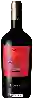
Winery Cantina de PraPinot Nero
 Red wine



In the mouth this red wine is a with a nice freshness.
This wine generally goes well with poultry, beef or veal.

Taste structure of the Pinot Nero from the Winery Cantina de Pra
Light | Bold | |
Smooth | Tannic | |
Dry | Sweet | |
Soft | Acidic |
In the mouth the Pinot Nero of Winery Cantina de Pra in the region of Veneto is a with a nice freshness.
Food and wine pairings with Pinot Nero
Pairings that work perfectly with Pinot Nero



Original food and wine pairings with Pinot Nero

The Pinot Nero of Winery Cantina de Pra matches generally quite well with dishes of beef, veal or game (deer, venison) such as recipes of steak tartare, veal cutlets parmigiana or rabbit with white wine.
Details and technical informations about Winery Cantina de Pra's Pinot Nero.
Discover the grape variety: Loureiro
Lively, highly aromatic whites with tonic acidity and a slender mouth, featuring intense aromas of white flowers (bay, acacia, orange blossom), citrus, white peach, white flesh fruits and Atlantic saline notes. Fresh, refreshing finish. Star of Vinho Verde DOC from Minho (Portugal) in blends with Alvarinho and Trajadura, and signature of Rías Baixas DO in Galicia. Native grape of the northwest Iberian peninsula, its name evokes the bay laurel (loureiro).
Last vintages of this wine
The best vintages of Pinot Nero from Winery Cantina de Pra are 0
Informations about the Winery Cantina de Pra
The Winery Cantina de Pra is one of of the world's greatest estates. It offers 30 wines for sale in the of Veneto to come and discover on site or to buy online.

The wine region of Veneto
World star of Prosecco: fresh, light Glera sparklers with notes of pear, green apple and white flowers, fruity, convivial bubbles. Veronese reds from Corvina and Rondinella: light, crisp Bardolino, fruity Valpolicella, opulent, concentrated Amarone DOCG (black cherry, chocolate, raisin) from dried grapes. Mineral, almondy Soave (Garganega) whites, fresh Pinot Grigio. 97,500 ha, Italy's largest production.
The word of the wine: Mansois
See servadou iron.