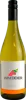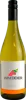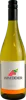
Winery Deep Sky VineyardAurora
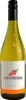
 White wine



This wine generally goes well with pork, poultry or game (deer, venison).

Wine flavors and olphactive analysis

On the nose the Aurora of Winery Deep Sky Vineyard in the region of Arizona often reveals types of flavors of earth, tree fruit.
Food and wine pairings with Aurora
Pairings that work perfectly with Aurora



Original food and wine pairings with Aurora



The Aurora of Winery Deep Sky Vineyard matches generally quite well with dishes of pork, game (deer, venison) or shellfish such as recipes of pasta carbonara, rabbit in foil or indian chicken (simplified korma).
Details and technical informations about Winery Deep Sky Vineyard's Aurora.
Discover the grape variety: Viognier
Opulent, heady whites, rich and silky, with intense aromas of apricot, yellow peach, mango, violet, honeysuckle and musky, honeyed notes. Discreet acidity, creamy finish. Star of Condrieu AOC and Château-Grillet AOC, co-vinified in Côte-Rôtie with Syrah (up to 20%). Widely exported to California (Central Coast), Australia (Eden Valley) and Languedoc. A Rhône variety.
Last vintages of this wine
The best vintages of Aurora from Winery Deep Sky Vineyard are 2017, 0
Informations about the Winery Deep Sky Vineyard
The Winery Deep Sky Vineyard is one of of the world's greatest estates. It offers 13 wines for sale in the of Arizona to come and discover on site or to buy online.

The wine region of Arizona
Emerging US Southwest state, high-altitude vineyards (1,370-1,580 m) on volcanic soils. Rhone and Mediterranean grapes are the stars: signature Syrah (blackberry, pepper, olive, violet, round tannins), fruity Grenache, dense sun-drenched Mourvedre. Also spicy Tempranillo and fruity Sangiovese. Aromatic Viognier (apricot, flowers) and deeply coloured Petite Sirah in whites.
The word of the wine: Oenologist
Specialist in wine-making techniques. It is a profession and not a passion: one can be an oenophile without being an oenologist (and the opposite too!). Formerly attached to the Faculty of Pharmacy, oenology studies have become independent and have their own university course. Learning to make wine requires a good chemical background but also, increasingly, a good knowledge of the plant. Some oenologists work in laboratories (analysis). Others, the consulting oenologists, work directly in the properties.