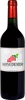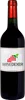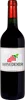
Winery Collegium WirtembergCuvée Wirtemberg Réserve
 Red wine


This wine generally goes well with poultry, beef or lamb.

Food and wine pairings with Cuvée Wirtemberg Réserve
Pairings that work perfectly with Cuvée Wirtemberg Réserve



Original food and wine pairings with Cuvée Wirtemberg Réserve

The Cuvée Wirtemberg Réserve of Winery Collegium Wirtemberg matches generally quite well with dishes of beef, lamb or spicy food such as recipes of monkfish tagine, purple leg of lamb with red wine and cranberries or californian sushi (reverse maki).
Details and technical informations about Winery Collegium Wirtemberg's Cuvée Wirtemberg Réserve.
Discover the grape variety: Cabernet-Sauvignon
Structured, tannic reds, deeply coloured, with aromas of blackcurrant, blackberry, cedar, tobacco and graphite, underpinned by firm acidity and fine ageing potential. Cornerstone of the great Médoc estates (Pauillac, Saint-Estèphe, Saint-Julien) and signature of Napa Valley, Coonawarra and Maipo. The world's most planted red variety, a natural cross of Cabernet Franc x Sauvignon Blanc born in Bordeaux.
Last vintages of this wine

The best vintages of Cuvée Wirtemberg Réserve from Winery Collegium Wirtemberg are 2012, 0, 2016, 2015 and 2013.
Informations about the Winery Collegium Wirtemberg
The Winery Collegium Wirtemberg is one of of the world's greatest estates. It offers 100 wines for sale in the of Württemberg to come and discover on site or to buy online.

The wine region of Württemberg
Rare predominantly red region in Germany (nearly 70%). Supple, fruity everyday reds: light, crisp Trollinger (Schiava) with red fruits, more structured, spicy, deep Lemberger (Blaufränkisch), generous Schwarzriesling (Pinot Meunier). Riesling king of whites (>2,000 ha), lively and mineral, citrus and green apple. Germany's 4th region (11,500 ha) on the Neckar slopes around Heilbronn and Stuttgart.
The word of the wine: Groslot
See grolleau.