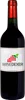
Winery DavesteNorth Carolina Chambourcin
 Red wine



This wine generally goes well with game (deer, venison) and spicy food.
Food and wine pairings with North Carolina Chambourcin
Pairings that work perfectly with North Carolina Chambourcin


Original food and wine pairings with North Carolina Chambourcin
The North Carolina Chambourcin of Winery Daveste matches generally quite well with dishes of game (deer, venison) or spicy food such as recipes of rabbit with cider and apples or dab with coconut milk.
Details and technical informations about Winery Daveste's North Carolina Chambourcin.
Discover the grape variety: Chambourcin
Chambourcin noir is a grape variety that originated in France (Rhône-Alpes valley). It is a variety resulting from a cross of the same species (interspecific hybridization). It produces a variety of grape specially used for wine making. It is rare to find this grape to eat on our tables. This variety of grape is characterized by large bunches of grapes of medium size. Chambourcin noir can be found in several vineyards: Rhone Valley, Loire Valley, Savoie & Bugey, Beaujolais, Languedoc & Roussillon, Armagnac, Provence & Corsica.
Last vintages of this wine
The best vintages of North Carolina Chambourcin from Winery Daveste are 0
Informations about the Winery Daveste
The Winery Daveste is one of of the world's greatest estates. It offers 14 wines for sale in the of North Carolina to come and discover on site or to buy online.

The wine region of North Carolina
North Carolina is a state located on the east coast of the United States, between the Appalachian Mountains to the west and the Atlantic Ocean to the east. The state's transitional Climate is well suited to growing grapes for wine production, and the state has a Long and illustrious wine-making history. North Carolina's finest wines are made from Vitis vinifera grapes such as Cabernet Sauvignon, Chardonnay, Merlot and Riesling. However, muscadine grapes (Vitis rotundifolia) are native to the region.
The word of the wine: Velouté
Said of a wine that is soft and caressing in the mouth.