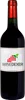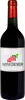
Winery Dalt TuróGranat
 Red wine


In the mouth this red wine is a powerful with a nice freshness.
This wine generally goes well with poultry, beef or veal.

Taste structure of the Granat from the Winery Dalt Turó
Light | Bold | |
Smooth | Tannic | |
Dry | Sweet | |
Soft | Acidic |
In the mouth the Granat of Winery Dalt Turó in the region of Iles Baléares is a powerful with a nice freshness.
Food and wine pairings with Granat
Pairings that work perfectly with Granat



Original food and wine pairings with Granat

The Granat of Winery Dalt Turó matches generally quite well with dishes of beef, pasta or veal such as recipes of monkfish tagine, tagliatelle with shrimps or atriaux en sauce.
Details and technical informations about Winery Dalt Turó's Granat.
Discover the grape variety: Landal
Deeply colored, simple and fruity reds with a dark ruby robe, lightly firm tannins and a direct palate, showing signature aromas of red fruits (cherry, raspberry), gentle spices and herbaceous notes. Cold and disease resistant profile. Grown mainly in Canada (Quebec, Ontario) and the northeastern US for vineyards with harsh continental climates. French black hybrid obtained around 1933 by Pierre Landot (Landot 244).
Last vintages of this wine
The best vintages of Granat from Winery Dalt Turó are 2017, 0
Informations about the Winery Dalt Turó
The Winery Dalt Turó is one of of the world's greatest estates. It offers 5 wines for sale in the of Mallorca to come and discover on site or to buy online.

The wine region of Mallorca
Mediterranean wine island of the Balearics, a scene in full qualitative renewal. Native Manto Negro is the signature of Binissalem (min. 30%): velvety reds with signature notes of ripe cherry, plum, garrigue, sweet spices and a smoky touch, round tannins and a sun-drenched palate — the Mallorcan identity. Also supple Callet, fruity Fogoneu, rare Gorgollasa in revival.
The wine region of Iles Baléares
Spanish Mediterranean archipelago (Majorca, Minorca, Ibiza), warm insular climate, limestone soils. Manto Negro (Majorca, 320 ha, native): supple and silky with red cherry, raspberry, plum, Mediterranean herbs and spicy hint, fine tannins and moderate alcohol. Round and fragrant Callet (native) solo or blended (young and rosé). Cabernet and Merlot for ageing cuvées.
The word of the wine: Salmanazar
Bottle with a capacity of 9 litres.