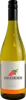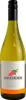
Winery ContemporalBranco
 White wine


In the mouth this white wine is a .
This wine generally goes well with pork, lean fish or shellfish.
Taste structure of the Branco from the Winery Contemporal
Light | Bold | |
Dry | Sweet | |
Soft | Acidic |
In the mouth the Branco of Winery Contemporal in the region of Península de Setúbal is a .
Food and wine pairings with Branco
Pairings that work perfectly with Branco



Original food and wine pairings with Branco

The Branco of Winery Contemporal matches generally quite well with dishes of pasta, pork or shellfish such as recipes of pasta bolognese, quiche lorraine or carri of shrimps with chillies.
Details and technical informations about Winery Contemporal's Branco.
Discover the grape variety: Roussette d'Ayze
Roussette d'Ayze is one of the secondary grape varieties used in the production of Ayze wines. It is grown only in the Arve Valley, in the communes of Marignier, Ayze and Bonneville, covering a total area of approximately 22 hectares. If its grapes are white at the beginning, they gradually turn golden, until they are ripe. Despite the juicy pulp of the Ayze roussette, it is not sufficiently aromatic and the wine it produces is of average quality, which is why it is considered more effective in the production of sparkling wines. The cultivation is fruitful and somewhat rapid, provided of course that this variety is not exposed to grey rot or mildew.
Last vintages of this wine
The best vintages of Branco from Winery Contemporal are 2014, 2013, 2015, 0
Informations about the Winery Contemporal
The Winery Contemporal is one of of the world's great estates. It offers 52 wines for sale in the of Península de Setúbal to come and discover on site or to buy online.

The wine region of Península de Setúbal
Setúbal Peninsula (also known as Península de Setúbal) is the Portuguese wine region immediately southeast of Lisbon, across the Tejo estuary. The Terroir in the area ranges from sandy coastal plains to the craggy, limestone-rich Serra Arribida hills. The area is known for its Dry red wines made from Castelão, and for its fortified wines and Sweet Moscatel de Setúbal. The wines produced here are made under three titles: two DOCs, Palmela and Setúbal, and one IGP.
The word of the wine: Juice
The juice of wine grapes (intended for wine making) is colourless. It is the anthocyanins contained in the grape skin that colour the juice during maceration.