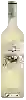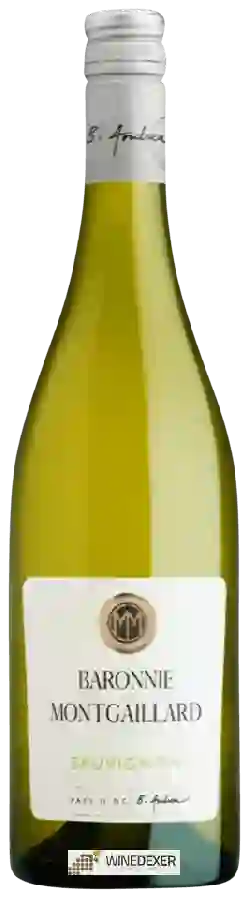
Winery Condamine BertrandBaronnie de Montgaillard Blanc
 White wine
In the mouth this white wine is a .
This wine generally goes well with vegetarian, poultry or lean fish.
Taste structure of the Baronnie de Montgaillard Blanc from the Winery Condamine Bertrand
Light | Bold | |
Dry | Sweet | |
Soft | Acidic |
In the mouth the Baronnie de Montgaillard Blanc of Winery Condamine Bertrand in the region of Languedoc-Roussillon is a .
Food and wine pairings with Baronnie de Montgaillard Blanc
Pairings that work perfectly with Baronnie de Montgaillard Blanc



Original food and wine pairings with Baronnie de Montgaillard Blanc


The Baronnie de Montgaillard Blanc of Winery Condamine Bertrand matches generally quite well with dishes of pasta, vegetarian or poultry such as recipes of pasta with cherry tomatoes, tuna, pepper and tomato quiche or pasta carbonara almost like the real thing.
Details and technical informations about Winery Condamine Bertrand's Baronnie de Montgaillard Blanc.
Discover the grape variety: Roussanne
Roussane is a white grape variety, planted on an area of more than 700 ha. Originally from Montélimar, it is also found in Savoie, Languedoc and Roussillon, and grows very well in calcareous, poor, stony soil. It prefers to be pruned short. Roussane is also called fromenteau, barbin or bergeron. The young leaves are bubbled with fine down. When adult, they become thicker. It flowers in June and matures in mid-September. The grapes are cylindrical in shape, the berries are small and turn red when ripe, and the wine produced from pure Roussane is of extraordinary quality. It has a delicate aroma reminiscent of coffee, honeysuckle, iris and peony. The taste of this wine improves with age. It is part of the blend of the appellations Vin-de-Savoie, Côtes-du-Vallée du Rhône or Châteauneuf-du-Pape.
Informations about the Winery Condamine Bertrand
The Winery Condamine Bertrand is one of of the world's great estates. It offers 41 wines for sale in the of Languedoc to come and discover on site or to buy online.

The wine region of Languedoc
Languedoc (formerly Coteaux du Languedoc) is a key appellation used in the Languedoc-Roussillon wine region of southern France. It covers Dry table wines of all three colors (red, white and rosé) from the entire region, but leaves Sweet and Sparkling wines to other more specialized appellations. About 75% of all Languedoc wines are red, with the remaining 25% split roughly down the middle between whites and rosés. The appellation covers most of the Languedoc region and almost a third of all the vineyards in France.
The wine region of Languedoc-Roussillon
Languedoc (formerly Coteaux du Languedoc) is a key appellation used in the Languedoc-Roussillon wine region of southern France. It covers Dry table wines of all three colors (red, white and rosé) from the entire region, but leaves Sweet and Sparkling wines to other more specialized appellations. About 75% of all Languedoc wines are red, with the remaining 25% split roughly down the middle between whites and rosés. The appellation covers most of the Languedoc region and almost a third of all the vineyards in France.
The word of the wine: Phylloxera
Aphid that came from America and ravaged European vineyards at the end of the 19th century. It lives on the roots of the vine, from which it pumps the sap. The only vines capable of resisting it had to be imported from the United States, and then grafted onto their root system the wood of traditional French grape varieties. Today, grafted vines are always planted.