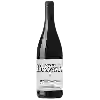
Winery ColruytA La Bonheure Côtes du Roussillon Villages
 Red wine


In the mouth this red wine is a powerful with a nice balance between acidity and tannins.
This wine generally goes well with beef, veal or pasta.

Taste structure of the A La Bonheure Côtes du Roussillon Villages from the Winery Colruyt
Light | Bold | |
Smooth | Tannic | |
Dry | Sweet | |
Soft | Acidic |
In the mouth the A La Bonheure Côtes du Roussillon Villages of Winery Colruyt in the region of Languedoc-Roussillon is a powerful with a nice balance between acidity and tannins.
Food and wine pairings with A La Bonheure Côtes du Roussillon Villages
Pairings that work perfectly with A La Bonheure Côtes du Roussillon Villages



Original food and wine pairings with A La Bonheure Côtes du Roussillon Villages
The A La Bonheure Côtes du Roussillon Villages of Winery Colruyt matches generally quite well with dishes of beef, pasta or veal such as recipes of roast pork with pineapple, homemade italian lasagna or breaded veal cutlets.
Details and technical informations about Winery Colruyt's A La Bonheure Côtes du Roussillon Villages.
Discover the grape variety: Dolcetto
Supple, fruity reds best drunk young, with a sustained ruby robe and violet hues, melted tannins and an airy palate with low acidity, showing signature aromas of blackberry, plum, black cherry, almond and floral notes. Star of Dogliani DOCG and Dolcetto d'Alba DOC in Piedmont, perfect with cured meats and Piedmontese pasta. Emblematic native Piedmontese black grape whose name evokes the sweetness of ripe fruit.
Last vintages of this wine

The best vintages of A La Bonheure Côtes du Roussillon Villages from Winery Colruyt are 2018, 2017, 2015
Informations about the Winery Colruyt
The Winery Colruyt is one of of the world's greatest estates. It offers 50 wines for sale in the of Côtes du Roussillon Villages to come and discover on site or to buy online.

The wine region of Côtes du Roussillon Villages
Sunny cru of the Pyrénées-Orientales (above Côtes du Roussillon): signature Grenache, Syrah, Mourvèdre and Carignan as exclusive king reds - concentrated and fleshy with notes of ripe black fruits (blackberry, blackcurrant, plum), garrigue, cocoa, spices, liquorice and a mineral touch, coated tannins and a long finish (12. 5° min). Communal mentions (Tautavel, Lesquerde, Caramany, Latour). AOC (1977), schist, gneiss and limestone, hot windy Mediterranean climate.
The wine region of Languedoc-Roussillon
Largest single French vineyard, dominated by sunny, generous reds. Spicy Syrah, candied Grenache (ripe fruit, garrigue), structured Carignan, deep Mourvèdre, supple Cinsault. Stars: structured Corbières, Minervois, Faugères, Saint-Chinian; round Côtes-du-Roussillon. Legendary vins doux naturels: Banyuls and Maury (fortified Grenache) with notes of cocoa, fig, prune.
The word of the wine: Cep
Grapevine.