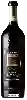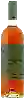
Winery Col DovìgoSelezione Vignariva Vespaiolo
 White wine



In the mouth this white wine is a powerful.
This wine generally goes well with lean fish, shellfish or mature and hard cheese.
Taste structure of the Selezione Vignariva Vespaiolo from the Winery Col Dovìgo
Light | Bold | |
Dry | Sweet | |
Soft | Acidic |
In the mouth the Selezione Vignariva Vespaiolo of Winery Col Dovìgo in the region of Veneto is a powerful.
Food and wine pairings with Selezione Vignariva Vespaiolo
Pairings that work perfectly with Selezione Vignariva Vespaiolo



Original food and wine pairings with Selezione Vignariva Vespaiolo


The Selezione Vignariva Vespaiolo of Winery Col Dovìgo matches generally quite well with dishes of pasta, shellfish or mature and hard cheese such as recipes of pasta à la forestière (chanterelles), norman mussels with cider or cake with smoked bacon, prunes and comté cheese.
Details and technical informations about Winery Col Dovìgo's Selezione Vignariva Vespaiolo.
Discover the grape variety: Attiki
Variety obtained in Greece by Vassilis Mikos by crossing the Alphonse Lavallée with the black monukka, registered at the end of 2002 in the Official Catalogue of table grape varieties list A1.
Informations about the Winery Col Dovìgo
The Winery Col Dovìgo is one of of the world's great estates. It offers 12 wines for sale in the of Veneto to come and discover on site or to buy online.

The wine region of Veneto
Veneto is an important and growing wine region in northeastern Italy. Veneto is administratively Part of the Triveneto area, aLong with its smaller neighbors, Trentino-Alto Adige and Friuli-Venezia Giulia. In terms of geography, culture and wine styles, it represents a transition from the Alpine and Germanic-Slavic end of Italy to the warmer, drier, more Roman lands to the South. Veneto is slightly smaller than the other major Italian wine regions - Piedmont, Tuscany, Lombardy, Puglia and Sicily - but it produces more wine than any of them.
The word of the wine: Old vines
There are no specific regulations governing the term "vieilles vignes". After 20 to 25 years, the yields stabilize and tend to decrease, the vines are deeply rooted, and the grapes that come from them give richer, more concentrated, more sappy wines, expressing with more nuance the characteristics of their terroir. It is possible to find plots of vines that claim to be a century old.