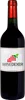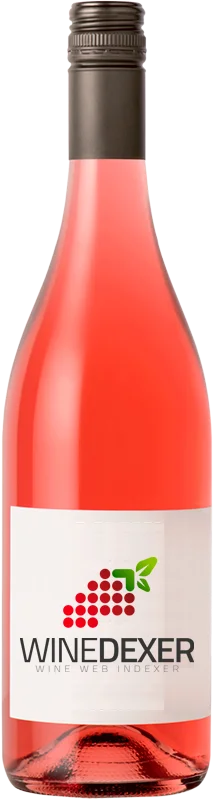
Clos FougèresCuvée Audacieuse
 Pink wine
This wine generally goes well with pork and shellfish.

Food and wine pairings with Cuvée Audacieuse
Pairings that work perfectly with Cuvée Audacieuse


Original food and wine pairings with Cuvée Audacieuse
The Cuvée Audacieuse of Clos Fougères matches generally quite well with dishes of pork or shellfish such as recipes of kig ha farz (breton stew) or carri of shrimps with chillies.
Details and technical informations about Clos Fougères's Cuvée Audacieuse.
Discover the grape variety: Marsanne
Rich, structured whites with a round palate and long finish, with aromas of ripe yellow fruits, honey, white flowers, toasted almond and mineral notes. Fine ageing potential, developing waxy and truffle nuances with age. Key variety in the great whites of the northern Rhône (Hermitage, Crozes-Hermitage, Saint-Joseph, Saint-Péray) blended with roussanne. Also exported to Australia (Victoria) and California. Native Rhône variety.
Informations about the Clos Fougères
The Clos Fougères is one of of the world's greatest estates. It offers 6 wines for sale in the of Vin de France to come and discover on site or to buy online.

The wine region of Vin de France
The freest category of French wine, the playground of winemakers working outside the AOC. All styles combined: fruity reds, lively or ambitious whites, everyday rosés, unusual blends, natural wines, atypical grapes (Petit Manseng in Languedoc, Riesling in Provence), experimental winemaking (skin-contact whites, no sulphur). Grape and vintage labelling allowed, no geographic constraint. From the pop, convivial cuvée to the artisan gem: freedom in a bottle.
The word of the wine: White winemaking
White wines are obtained by fermentation of the juice after pressing. A pre-fermentation maceration is sometimes practiced to extract the aromatic substances from the skins. White wines are normally made from white grapes, but can also be made from red grapes (blanc de noirs). The grapes are then pressed as soon as they arrive at the vat house without maceration in order to prevent the colouring matter contained in the skins from "staining" the wine.