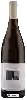
Clos du CasotOpaline
 White wine
In the mouth this white wine is a .
This wine generally goes well with vegetarian, poultry or lean fish.
Taste structure of the Opaline from the Clos du Casot
Light | Bold | |
Dry | Sweet | |
Soft | Acidic |
In the mouth the Opaline of Clos du Casot in the region of Languedoc-Roussillon is a .
Food and wine pairings with Opaline
Pairings that work perfectly with Opaline



Original food and wine pairings with Opaline


The Opaline of Clos du Casot matches generally quite well with dishes of pasta, vegetarian or poultry such as recipes of pasta with eggplant, cream and tuna quiche or fried rice noodles with chicken.
Details and technical informations about Clos du Casot's Opaline.
Discover the grape variety: Barlinka
- Origin : Very well known in South Africa, it was imported into this country in 1910 from Algeria and then mainly cultivated as a table grape... attempts at vinification were made but without success. It is also known in Portugal, ... in France it is almost unknown.
Informations about the Clos du Casot
The Clos du Casot is one of of the world's greatest estates. It offers 7 wines for sale in the of Collioure to come and discover on site or to buy online.

The wine region of Collioure
Collioure is a very small appellation in the Roussillon region (also known as French Catalonia) in southeastern France, near the border with Spain on the Mediterranean coast, about 30 kilometers southwest of Perpignan. It produces PowerfulDry red and white wines from France's southernmost Vineyard. The appellation comprises four communes, including the one from which it takes its name, plus Cerbère, Port-Vendres and Banyuls. Collioure wines are the dry table wines of the region, while those bearing the name Banyuls are the Sweet wines produced in exactly the same vineyards.
The wine region of Languedoc-Roussillon
Languedoc (formerly Coteaux du Languedoc) is a key appellation used in the Languedoc-Roussillon wine region of southern France. It covers Dry table wines of all three colors (red, white and rosé) from the entire region, but leaves Sweet and Sparkling wines to other more specialized appellations. About 75% of all Languedoc wines are red, with the remaining 25% split roughly down the middle between whites and rosés. The appellation covers most of the Languedoc region and almost a third of all the vineyards in France.
The word of the wine: Residual sugars
Sugars not transformed into alcohol and naturally present in the wine. The perception of residual sugars is conditioned by the acidity of the wine. The more acidic the wine is, the less sweet it will seem, given the same amount of sugar.