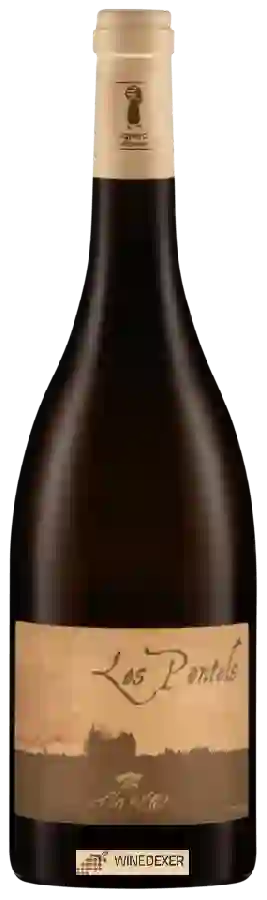
Clos d'ElleLes Pontels
 Red wine
This wine generally goes well with beef, veal or pasta.

Food and wine pairings with Les Pontels
Pairings that work perfectly with Les Pontels



Original food and wine pairings with Les Pontels
The Les Pontels of Clos d'Elle matches generally quite well with dishes of pasta, vegetarian or poultry such as recipes of pasta with vongoles (flat clams), salmon and goat cheese quiche or chicken tagine with olives and potatoes.
Details and technical informations about Clos d'Elle's Les Pontels.
Discover the grape variety: Dindarella
Light, delicate reds with a pale ruby robe, soft tannins and an airy palate, with signature aromas of cherry, violet, strawberry and floral notes. Elegant, fruity profile. Traditionally blended in small proportions in Valpolicella DOC, today sometimes vinified as a single variety in IGT Veneto for artisan cuvées. Autochthonous black variety from the Veneto, grown in the Valpolicella region.
Informations about the Clos d'Elle
The Clos d'Elle is one of of the world's great estates. It offers 17 wines for sale in the of Languedoc to come and discover on site or to buy online.

The wine region of Languedoc
Sunny, generous southern reds: spicy, peppery Syrah, round, candied Grenache (ripe fruit, garrigue), deep Mourvèdre, structured Carignan, supple Cinsault. From robust Corbières and Minervois to fresher Terrasses du Larzac, via Faugères on schist or taut Pic Saint-Loup. Lively, iodised Picpoul de Pinet whites (oysters), ample Roussanne and Marsanne. 14 sub-appellations, ~10,000 ha in regional AOC.
The wine region of Languedoc-Roussillon
Largest single French vineyard, dominated by sunny, generous reds. Spicy Syrah, candied Grenache (ripe fruit, garrigue), structured Carignan, deep Mourvèdre, supple Cinsault. Stars: structured Corbières, Minervois, Faugères, Saint-Chinian; round Côtes-du-Roussillon. Legendary vins doux naturels: Banyuls and Maury (fortified Grenache) with notes of cocoa, fig, prune.
The word of the wine: Muscat blanc à petits grains
A white grape variety cultivated since antiquity on the shores of the Mediterranean, it is considered the noblest of the muscats. It is mainly used to make sweet wines, often from mutage. In France, it is the sole variety used in many natural sweet wines: muscat-de-frontignan, muscat-de-mireval, muscat-de-lunel, muscat-de-saint-jean-de-minervois, muscat-de-beaumes-de-venise, muscat-du-cap-corse. Combined with Muscat d'Alexandrie, it gives Muscat-de-Rivesaltes. It is also used to make sparkling white wines (clairette-de-die; moscato d'asti and asti spumante in Italy) and dry wines (alsace-muscat). Powerfully aromatic and complex, its wines evoke fresh grapes, roses, exotic fruits, citrus fruits and spices.