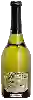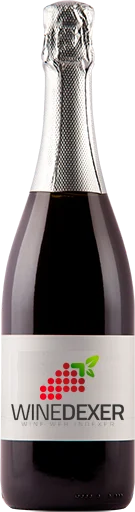
Château de ChemanCremant De Loire Brut
 Sparkling wine


In the mouth this sparkling wine is a powerful with a nice vivacity and a fine and pleasant bubble.
This wine generally goes well with poultry, appetizers and snacks or lean fish.

Taste structure of the Cremant De Loire Brut from the Château de Cheman
Light | Bold | |
Soft | Acidic | |
Gentle | Fizzy |
In the mouth the Cremant De Loire Brut of Château de Cheman in the region of Loire Valley is a powerful with a nice vivacity and a fine and pleasant bubble.
Food and wine pairings with Cremant De Loire Brut
Pairings that work perfectly with Cremant De Loire Brut



Original food and wine pairings with Cremant De Loire Brut


The Cremant De Loire Brut of Château de Cheman matches generally quite well with dishes of shellfish, poultry or appetizers and snacks such as recipes of mussels with white wine and tomato, coconut chicken à la bellevilloise or fresh vegetable dips and their sauces for the aperitif.
Details and technical informations about Château de Cheman's Cremant De Loire Brut.
Discover the grape variety: Çal Karası
Light reds with a clear ruby robe, smooth tannins and a vivid palate with bright acidity, showing signature aromas of red fruits (cherry, pomegranate), mild spices and floral notes. Also vinified as bright, refreshing rosés. Star of the Denizli region in western Anatolia, one of the great ambassadors of the Turkish variety revival. Turkish autochtone black variety.
Informations about the Château de Cheman
The Château de Cheman is one of of the world's greatest estates. It offers 8 wines for sale in the of Loire Valley to come and discover on site or to buy online.

The wine region of Loire Valley
Kingdom of lively, dry whites and fine sparklers. Mineral, taut Sauvignon Blanc (Sancerre, Pouilly-Fumé) with citrus and gunflint notes. Multiform Chenin Blanc (Vouvray, Savennières, Layon): straight dry, floral off-dry or noble sweet honey-quince. Saline, iodised Muscadet (Melon B.
The word of the wine: Vinification of sweet wines
Moelleux and liquoreux wines are characterized by the presence of residual sugars (natural sugar of the grape), not transformed into alcohol under the effect of yeasts. The fermentation is stopped by cold and by the addition of sulphur dioxide (sulphur).