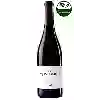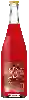
Winery Chaume ArnaudPontias
 Red wine



This wine is a blend of 2 varietals which are the Marselan and the Merlot.
This wine generally goes well with beef, game (deer, venison) or lamb.

Wine flavors and olphactive analysis

Food and wine pairings with Pontias
Pairings that work perfectly with Pontias



Original food and wine pairings with Pontias


The Pontias of Winery Chaume Arnaud matches generally quite well with dishes of beef, lamb or game (deer, venison) such as recipes of bernard's potée, lamb tagine with figs or duck legs with cider and small onions.
Details and technical informations about Winery Chaume Arnaud's Pontias.
Discover the grape variety: Marselan
Supple, fruity reds with a deep robe and melted tannins, featuring aromas of blackcurrant, blackberry, plum, violet, soft spices and garrigue notes. Good consistency and short-to-medium ageing capacity. Made in blends and as a single variety in Languedoc-Roussillon (IGP Pays d'Oc) and exported massively to China where it has become an emblematic quality signature. Also in Brazil and Argentina. A Cabernet Sauvignon × Grenache cross created in 1961 by Paul Truel in Montpellier.
Last vintages of this wine
The best vintages of Pontias from Winery Chaume Arnaud are 2018, 2016
Informations about the Winery Chaume Arnaud
The Winery Chaume Arnaud is one of of the world's great estates. It offers 14 wines for sale in the of Méditerranée to come and discover on site or to buy online.

The wine region of Méditerranée
Vast IGP of south-east France (Provence, Vaucluse, Var, Corsica, Ardèche), 75% rosés. Fresh, fruity rosés with signature notes of strawberry, raspberry, citrus, white flowers and a Mediterranean touch, taut and thirst-quenching on the palate — the quintessential sunny aperitif. Supple reds blending Grenache, Syrah, Cabernet and Merlot (red fruits, garrigue, spice), full whites of Viognier (apricot, flowers) and Chardonnay. Generous everyday wines, expression of the south.
The word of the wine: AOC
Appellation d'origine contrôlée. The most prestigious category of French wines created in the 1930s on the basis of quality criteria defined by a geographical delimitation, a chosen grape variety and precise production rules.