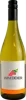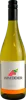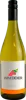
Winery Châtenay - BouvierGoutte d'Or
 White wine


In the mouth this white wine is a with a nice freshness.
This wine generally goes well with poultry, lean fish or mild and soft cheese.

Taste structure of the Goutte d'Or from the Winery Châtenay - Bouvier
Light | Bold | |
Dry | Sweet | |
Soft | Acidic |
In the mouth the Goutte d'Or of Winery Châtenay - Bouvier in the region of Neuchâtel is a with a nice freshness.
Food and wine pairings with Goutte d'Or
Pairings that work perfectly with Goutte d'Or



Original food and wine pairings with Goutte d'Or

The Goutte d'Or of Winery Châtenay - Bouvier matches generally quite well with dishes of poultry, lean fish or mild and soft cheese such as recipes of pan bagnat, tiéboudiène (rice with senegalese fish) or zucchini and feta pie.
Details and technical informations about Winery Châtenay - Bouvier's Goutte d'Or.
Discover the grape variety: Chasselas
Light, lively whites with a tender palate and low acidity, with discreet aromas of fresh hazelnut, white flowers, light honey, apple and strongly terroir-driven mineral notes ("chameleon wine" of Swiss soils). Made as dry, often slightly sparkling whites. Absolute star of Vaud (Dézaley, Calamin, Lavaux Grand Cru) and Valais (Fendant) in Switzerland. Also in Pouilly-sur-Loire AOC and the German Jura. Excellent table grape.
Last vintages of this wine

The best vintages of Goutte d'Or from Winery Châtenay - Bouvier are 2018, 2016
Informations about the Winery Châtenay - Bouvier
The Winery Châtenay - Bouvier is one of of the world's great estates. It offers 14 wines for sale in the of Neuchâtel to come and discover on site or to buy online.

The wine region of Neuchâtel
Swiss vineyard on the western shore of the lake, 606 ha in the Three Lakes region. Signature Pinot Noir (55% of the vineyard, the local prince): fine, fresh reds with notes of cherry, raspberry, undergrowth and sweet spices, silky tannins. Specialty invented here: Œil-de-Perdrix, a delicate Pinot Noir rosé with salmon hues. Lively, mineral Chasselas (citrus, flint) in white, including the identity-marking Non-Filtré primeur.
The word of the wine: Maceration
Prolonged contact and exchange between the juice and the grape solids, especially the skin. Not to be confused with the time of fermentation, which follows maceration. The juice becomes loaded with colouring matter and tannins, and acquires aromas. For a rosé, the maceration is short so that the colour does not "rise" too much. For white wines too, a "pellicular maceration" can be practised, which allows the wine to acquire more fat.