The Château de la Tuilerie of Rhone Valley
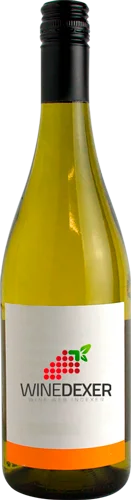
The Château de la Tuilerie is one of the best wineries to follow in Vallée du Rhône.. It offers 46 wines for sale in of Rhone Valley to come and discover on site or to buy online.
Looking for the best Château de la Tuilerie wines in Rhone Valley among all the wines in the region? Check out our tops of the best red, white or effervescent Château de la Tuilerie wines. Also find some food and wine pairings that may be suitable with the wines from this area. Learn more about the region and the Château de la Tuilerie wines with technical and enological descriptions.
How Château de la Tuilerie wines pair with each other generally quite well with dishes of pork, rich fish (salmon, tuna etc) or mature and hard cheese such as recipes of cassoulet of yesteryear, salmon crumble or cannelloni with zucchini.
On the nose the white wine of Château de la Tuilerie. often reveals types of flavors of tree fruit.
France's 2nd-largest AOC vineyard, two complementary worlds. Northern: pure Syrah in signature reds (Côte-Rôtie, Hermitage, Cornas), deep and peppery with blackberry, violet, black olive and smoked bacon notes, exceptional ageing. Opulent Viognier whites (Condrieu, apricot, flowers) and ample Marsanne-Roussanne. Southern: sun-soaked Grenache blends at Châteauneuf, Gigondas, Vacqueyras (candied fruit, garrigue).
Also Tavel rosé. 28 AOCs, ~70,000 ha.
How Château de la Tuilerie wines pair with each other generally quite well with dishes of beef, pasta or veal such as recipes of stuffed peppers, pasta with chicken, peppers and mushrooms or bites of cheese.
On the nose the red wine of Château de la Tuilerie. often reveals types of flavors of red fruit, red fruit or oaky and sometimes also flavors of pepper, non oak or earth. In the mouth the red wine of Château de la Tuilerie. is a powerful with a nice balance between acidity and tannins.
Vibrant and fresh rosés and clairets with a pale robe and tender mouth, featuring aromas of white flowers, citrus, fennel and delicate anise notes. Moderate acidity, light finish. A pink-skinned mutation of clairette blanche, occasionally blended into Provençal and Languedoc rosés. Clairette blanche signs Clairette de Die, Clairette du Languedoc AOC and enters Châteauneuf-du-Pape whites. Native southern French grape.
How Château de la Tuilerie wines pair with each other generally quite well with dishes of pork, rich fish (salmon, tuna etc) or shellfish such as recipes of banh mi sandwich, tunisian sandwich or cantonese rice.
Everything that is not VQPRD (European designation for all appellation wines: quality wine produced in a specific region). In principle, the bottom of the ladder. But, as in Italy a decade ago (Vino da Tavola), this category is also a refuge for wines that are out of the ordinary, whose producers refuse to accept certain grape variety or vinification dictates.
How Château de la Tuilerie wines pair with each other generally quite well with dishes such as recipes .
Rich, structured whites with a round palate and long finish, with aromas of ripe yellow fruits, honey, white flowers, toasted almond and mineral notes. Fine ageing potential, developing waxy and truffle nuances with age. Key variety in the great whites of the northern Rhône (Hermitage, Crozes-Hermitage, Saint-Joseph, Saint-Péray) blended with roussanne. Also exported to Australia (Victoria) and California. Native Rhône variety.
How Château de la Tuilerie wines pair with each other generally quite well with dishes of mature and hard cheese, blue cheese or aperitif such as recipes of parmesan squash with cumin, pasta with roquefort cheese or mini burgers.
Transformation undergone by the grape when it is enriched with sugar and loses some of its acidity to reach maturity.
Planning a wine route in the of Rhone Valley? Here are the wineries to visit and the winemakers to meet during your trip in search of wines similar to Château de la Tuilerie.
Aromatic and elegant whites, rich yet lifted by fine freshness, with hawthorn, honeysuckle, apricot, pear, honey, green tea, mineral and herbal notes. Fine ageing potential. Key variety in the great whites of the northern Rhône (Hermitage, Crozes-Hermitage, Saint-Joseph, Saint-Péray) blended with marsanne, and one of the 13 permitted grapes at Châteauneuf-du-Pape. Native Rhône variety.