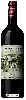
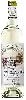
The Château Carbonnieux of Pessac-Léognan of Bordeaux


Château Carbonnieux
The winery offers 9 different wines
4.0
Note - 1Note - 1Note - 1Note - 1Note - 0
Its wines get an average rating of 4.
This estate is part of the Vignoble Famille Perrin.
It is ranked in the top 22 of the estates of Bordeaux.
It is located in Pessac-Léognan in the region of Bordeaux
Find the Château Carbonnieux on Facebook and on Twitter

The Château Carbonnieux is one of the world's great estates. It offers 9 wines for sale in of Pessac-Léognan to come and discover on site or to buy online.

Château Carbonnieux, one of the oldest vineyards in Bordeaux, located in Pessac-Léognan in the Bordelais, was founded in the 13th century by the monks of the Abbey of Conac. The property has known several owners over the centuries and has passed into various hands over the years. In 1793, Pierre Guichard, a wealthy merchant, bought the estate and revived it by creating a true vineyard. A century later, his sons succeeded him in managing the estate, while his daughter Marie-Thérèse married the Count of Carbonnieux, a name which has since been adopted by the château. The Château Carbonnieux estate currently covers 60 hectares of famous land, including 52 of vines, along the Garonne. The vineyard is mainly planted with cabernet sauvignon, cabernet franc, merlot and petit verdot. One hectare has been planted with white grapes, and the property can produce up to 3,000 vintages for their dry white wines per year. The visit of the estate is easily accessible and fascinating, offering visitors an insight into its medieval cellars and historical vineyards. Visitors have the opportunity to taste their wines and attend special events such as "Harvest Day", during which they can enjoy the healthy magic of the harvest and appreciate the freshly pressed wine. Château Carbonnieux also produces a spirit wine and also offers gastronomic tours, special events and tasting classes. Château Carbonnieux has become one of the best wines in Bordeaux and its wines have collected numerous awards worldwide. Their wines present complex aromas, with ripe and silky tannins. The dry white wines display a pale yellow color and notes of ripe fruit, with notes of lime and nuances of aromatic herbs.
Top Château Carbonnieux wines

Looking for the best Château Carbonnieux wines in Pessac-Léognan among all the wines in the region? Check out our tops of the best red, white or effervescent Château Carbonnieux wines. Also find some food and wine pairings that may be suitable with the wines from this area. Learn more about the region and the Château Carbonnieux wines with technical and enological descriptions.

The top red wines of Château Carbonnieux

Food and wine pairings with a red wine of Château Carbonnieux

How Château Carbonnieux wines pair with each other generally quite well with dishes of beef, lamb or game (deer, venison) such as recipes of spaghetti bolognese, lamb mouse with onions and red wine or blood duck (tour d'argent).

Organoleptic analysis of red wines of Château Carbonnieux

On the nose the red wine of Château Carbonnieux. often reveals types of flavors of cherry, oaky or citrus and sometimes also flavors of smoke, apples or peach. In the mouth the red wine of Château Carbonnieux. is a powerful with a nice balance between acidity and tannins.

The best vintages in the red wines of Château Carbonnieux

  • 1995With an average score of 4.20/5
  • 1994With an average score of 4.20/5
  • 2019With an average score of 4.17/5
  • 2001With an average score of 4.13/5
  • 2005With an average score of 4.10/5
  • 2020With an average score of 4.10/5

The grape varieties most used in the red wines of Château Carbonnieux.

  • Cabernet Sauvignon
  • Merlot
  • Cabernet Franc
  • Petit Verdot

Discovering the wine region of Pessac-Léognan

The wine region of Pessac-Léognan is located in the region of Graves of Bordeaux of France. Wineries and vineyards like the Château Haut-Brion or the Château Haut-Brion produce mainly wines red, white and pink. The most planted grape varieties in the region of Pessac-Léognan are Cabernet-Sauvignon, Merlot and Cabernet franc, they are then used in wines in blends or as a single variety. On the nose of Pessac-Léognan often reveals types of flavors of pineapple, mango or chalk and sometimes also flavors of pomegranate, green bell pepper or dried rose.

In the mouth of Pessac-Léognan is a powerful with a nice balance between acidity and tannins. We currently count 145 estates and châteaux in the of Pessac-Léognan, producing 382 different wines in conventional, organic and biodynamic agriculture. The wines of Pessac-Léognan go well with generally quite well with dishes of beef, lamb or game (deer, venison).

The top white wines of Château Carbonnieux

Food and wine pairings with a white wine of Château Carbonnieux

How Château Carbonnieux wines pair with each other generally quite well with dishes of pork, vegetarian or poultry such as recipes of white cabbage with bacon, broccoli and blue cheese quiche without pastry or buckwheat pancakes filled with egg, cheese and ham.

Organoleptic analysis of white wines of Château Carbonnieux

On the nose the white wine of Château Carbonnieux. often reveals types of flavors of citrus, butter or green apple and sometimes also flavors of lime, minerality or lemon. In the mouth the white wine of Château Carbonnieux. is a powerful with a nice freshness.

The best vintages in the white wines of Château Carbonnieux

  • 1985With an average score of 4.30/5
  • 2018With an average score of 4.28/5
  • 1990With an average score of 4.20/5
  • 1982With an average score of 4.20/5
  • 2015With an average score of 4.19/5
  • 2017With an average score of 4.19/5

The grape varieties most used in the white wines of Château Carbonnieux.

  • Sémillon
  • Sauvignon Blanc

Discover the grape variety: Petit Verdot

Petit Verdot noir is a grape variety that originated in France (southwest). It produces a variety of grape specially used for wine making. It is rare to find this grape to eat on our tables. This variety of grape is characterized by small bunches and small grapes. Petit Verdot noir can be found in several vineyards: South-West, Languedoc & Roussillon, Cognac, Bordeaux, Rhone valley, Provence & Corsica, Loire valley, Savoie & Bugey, Beaujolais, Armagnac.

The top pink wines of Château Carbonnieux

Food and wine pairings with a pink wine of Château Carbonnieux

How Château Carbonnieux wines pair with each other generally quite well with dishes of beef, lamb or pork such as recipes of fondue with broth, lamb kleftiko (greek) or tomatoes stuffed with sausage meat.

The best vintages in the pink wines of Château Carbonnieux

  • 2012With an average score of 3.80/5
  • 2016With an average score of 3.40/5
  • 2014With an average score of 2.70/5

The grape varieties most used in the pink wines of Château Carbonnieux.

  • Cabernet Sauvignon
  • Cabernet Franc
  • Malbec
  • Merlot
  • Petit Verdot

The word of the wine: Botrytis cinerea

This fungus, also called noble rot, develops during the over-ripening phase and is an ally of great sweet white wines, when it concentrates the juice of the berries. It requires the humidity of morning fogs and beautiful sunny days, gives musts very rich in sugar and brings to the wines the famous taste of "roasted".

Discover other wineries and winemakers neighboring the Château Carbonnieux

Planning a wine route in the of Pessac-Léognan? Here are the wineries to visit and the winemakers to meet during your trip in search of wines similar to Château Carbonnieux.

Discover the grape variety: Merlot

Merlot noir is a grape variety that originated in France (Bordeaux). It produces a variety of grape specially used for wine making. It is rare to find this grape to eat on our tables. This variety of grape is characterized by small to medium sized bunches, and medium sized grapes. Merlot noir can be found in many vineyards: South West, Languedoc & Roussillon, Cognac, Bordeaux, Loire Valley, Armagnac, Burgundy, Jura, Champagne, Rhone Valley, Beaujolais, Provence & Corsica, Savoie & Bugey.

Discover other regions and appellation of Graves