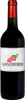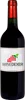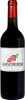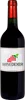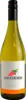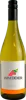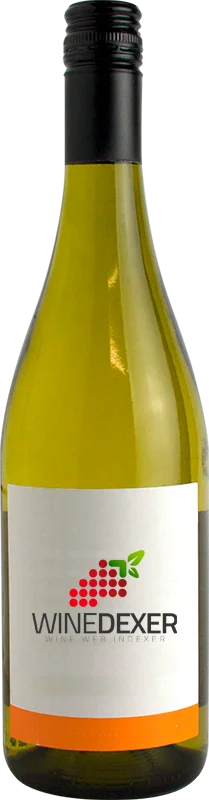
Winery ChamardRiesling Dry
 White wine


This wine generally goes well with pork, vegetarian or poultry.

Food and wine pairings with Riesling Dry
Pairings that work perfectly with Riesling Dry



Original food and wine pairings with Riesling Dry



The Riesling Dry of Winery Chamard matches generally quite well with dishes of pork, rich fish (salmon, tuna etc) or spicy food such as recipes of pork gyros, barbecued mackerel papillotes or indian style coral lentils.
Details and technical informations about Winery Chamard's Riesling Dry.
Discover the grape variety: Riesling
Crystalline, taut whites with vibrant acidity and aromas of citrus, green apple, white flowers, vineyard peach and mineral/petrol notes with age. Made as dry (Trocken, Alsace), off-dry (Kabinett, Spätlese) and sweet (Auslese, Beerenauslese, Trockenbeerenauslese, late harvest). Star of the Moselle, Rheingau, Alsace AOC and Wachau. Also exported to Clare Valley and Finger Lakes.
Last vintages of this wine
The best vintages of Riesling Dry from Winery Chamard are 0
Informations about the Winery Chamard
The Winery Chamard is one of of the world's great estates. It offers 30 wines for sale in the of Connecticut to come and discover on site or to buy online.

The wine region of Connecticut
New England wine state, glacial soils (schist, gneiss, loam). Coast tempered by Long Island Sound, favouring Bordeaux varieties. Signature Cabernet Franc: elegant and peppery with signature notes of raspberry, red cherry, red pepper, violet, fresh herbs and a spicy touch, fine tannins and fresh palate — friendly cool-climate style. Round Merlot (plum, cherry).
The word of the wine: Overmaturation
When the grapes reach maturity, the skin becomes permeable and progressively loses water, which causes a concentration phenomenon inside the berry. This is called over-ripening or passerillage.