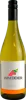
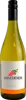
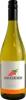
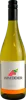
The Winery Ch Rousseau of Côtes de Bergerac of South West
The Winery Ch Rousseau is one of the largest wineries in the world. It offers 21 wines for sale in of Côtes de Bergerac to come and discover on site or to buy online.
Looking for the best Winery Ch Rousseau wines in Côtes de Bergerac among all the wines in the region? Check out our tops of the best red, white or effervescent Winery Ch Rousseau wines. Also find some food and wine pairings that may be suitable with the wines from this area. Learn more about the region and the Winery Ch Rousseau wines with technical and enological descriptions.
How Winery Ch Rousseau wines pair with each other generally quite well with dishes of pasta, veal or pork such as recipes of pasta with ham and tomato, pork cheeks with cider and honey or pork colombo.
On the nose the red wine of Winery Ch Rousseau. often reveals types of flavors of cherry, oaky or earthy and sometimes also flavors of blackberry, tobacco or vanilla. In the mouth the red wine of Winery Ch Rousseau. is a powerful with a nice balance between acidity and tannins.
The wine region of Côtes de Bergerac is located in the region of Bergerac of South West of France. Wineries and vineyards like the Vignoble des Verdots or the Domaine Les Vignerons de Sigoulès produce mainly wines sweet, red and white. The most planted grape varieties in the region of Côtes de Bergerac are Merlot, Cabernet-Sauvignon and Muscadelle, they are then used in wines in blends or as a single variety. On the nose of Côtes de Bergerac often reveals types of flavors of red fruit, microbio or grapefruit and sometimes also flavors of raisin, cassis or cherry.
In the mouth of Côtes de Bergerac is a powerful with a nice freshness. We currently count 223 estates and châteaux in the of Côtes de Bergerac, producing 332 different wines in conventional, organic and biodynamic agriculture. The wines of Côtes de Bergerac go well with generally quite well with dishes of beef, lamb or pork.
How Winery Ch Rousseau wines pair with each other generally quite well with dishes of pork, vegetarian or poultry such as recipes of baeckeoffe, quiche with bacon and gruyère cheese or zucchini and goat cheese quiche.
On the nose the white wine of Winery Ch Rousseau. often reveals types of flavors of citrus, lemon or tree fruit and sometimes also flavors of citrus fruit, tropical fruit. In the mouth the white wine of Winery Ch Rousseau. is a powerful with a nice freshness.
Pinot noir is an important red grape variety in Burgundy and Champagne, and its reputation is well known! Great wines such as the Domaine de la Romanée Conti elaborate their wines from this famous grape variety, and make it a great variety. When properly vinified, pinot noit produces red wines of great finesse, with a wide range of aromas depending on its advancement (fruit, undergrowth, leather). it is also the only red grape variety authorized in Alsace. Pinot Noir is not easily cultivated beyond our borders, although it has enjoyed some success in Oregon, the United States, Australia and New Zealand.
How Winery Ch Rousseau wines pair with each other generally quite well with dishes of rich fish (salmon, tuna etc) or shellfish such as recipes of red tuna steak provençal style or spaghetti with squid ink (italy).
An ancient white grape variety from the Valais (Switzerland), which produces renowned wines suitable for ageing. Viney and sustained by a strong vivacity, these wines express a fine salty touch, the signature of this variety. Petite arvine wines can be dry, tender or made from withered grapes from late harvesting. Syn.: arvine.
Planning a wine route in the of Côtes de Bergerac? Here are the wineries to visit and the winemakers to meet during your trip in search of wines similar to Winery Ch Rousseau.
Grenache noir is a grape variety that originated in Spain. It produces a variety of grape specially used for the elaboration of wine. It is rare to find this grape to eat on our tables. This variety of grape is characterized by medium to large bunches, and grapes of medium size. Grenache noir can be found in many vineyards: South West, Cognac, Bordeaux, Provence & Corsica, Languedoc & Roussillon, Rhone Valley, Loire Valley, Savoie & Bugey, Beaujolais.