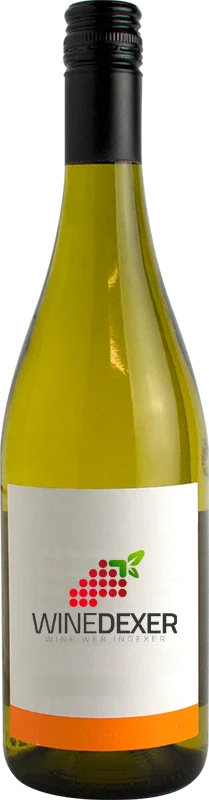
Winery Histoire d'EnferRiesling
 White wine


This wine generally goes well with pork, vegetarian or poultry.

Food and wine pairings with Riesling
Pairings that work perfectly with Riesling



Original food and wine pairings with Riesling



The Riesling of Winery Histoire d'Enfer matches generally quite well with dishes of pork, rich fish (salmon, tuna etc) or spicy food such as recipes of steamed pork chops, fresh tuna with sesame seeds or sun wheat.
Details and technical informations about Winery Histoire d'Enfer's Riesling.
Discover the grape variety: Riesling
Crystalline, taut whites with vibrant acidity and aromas of citrus, green apple, white flowers, vineyard peach and mineral/petrol notes with age. Made as dry (Trocken, Alsace), off-dry (Kabinett, Spätlese) and sweet (Auslese, Beerenauslese, Trockenbeerenauslese, late harvest). Star of the Moselle, Rheingau, Alsace AOC and Wachau. Also exported to Clare Valley and Finger Lakes.
Informations about the Winery Histoire d'Enfer
The Winery Histoire d'Enfer is one of of the world's great estates. It offers 28 wines for sale in the of Valais to come and discover on site or to buy online.

The wine region of Valais
Switzerland's largest vineyard, capital of native grapes. Straight, precise alpine whites: light, floral Chasselas (Fendant), signature Petite Arvine with saline, grapefruit and rhubarb notes, rich, apricoty Amigne, mineral Humagne Blanche. Altitude reds: fine Pinot Noir, crisp Gamay, native Cornalin and Humagne Rouge, spicy and deep. Highly precise alpine age-worthy wines.
The word of the wine: Friand
A light, easy-drinking wine with an immediate and fresh fruitiness.