The Winery Cessane of Languedoc-Roussillon
Winery Cessane
The winery offers 7 different wines
2.9


Note - 1Note - 1Note - 1Note - 0Note - 0
Its wines get an average rating of 2.9.
It is currently not ranked among the best domains of Languedoc-Roussillon.
It is located in Languedoc-Roussillon

The Winery Cessane is one of the best wineries to follow in Languedoc-Roussillon.. It offers 7 wines for sale in of Languedoc-Roussillon to come and discover on site or to buy online.
Top Winery Cessane wines

Looking for the best Winery Cessane wines in Languedoc-Roussillon among all the wines in the region? Check out our tops of the best red, white or effervescent Winery Cessane wines. Also find some food and wine pairings that may be suitable with the wines from this area. Learn more about the region and the Winery Cessane wines with technical and enological descriptions.

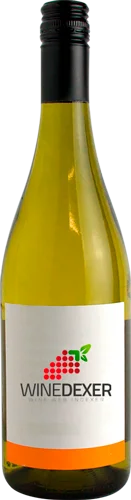
The top white wines of Winery Cessane

Food and wine pairings with a white wine of Winery Cessane

How Winery Cessane wines pair with each other generally quite well with dishes of pasta, vegetarian or poultry such as recipes of pasta carbonara a la flo without egg, quiche with bacon and gruyère cheese or chicken wok with chinese noodles.

The grape varieties most used in the white wines of Winery Cessane.

  • Colombard
  • Sauvignon Blanc

Discovering the wine region of Languedoc-Roussillon

Languedoc (formerly Coteaux du Languedoc) is a key appellation used in the Languedoc-Roussillon wine region of southern France. It covers Dry table wines of all three colors (red, white and rosé) from the entire region, but leaves Sweet and Sparkling wines to other more specialized appellations. About 75% of all Languedoc wines are red, with the remaining 25% split roughly down the middle between whites and rosés. The appellation covers most of the Languedoc region and almost a third of all the vineyards in France.

The typical Languedoc red wine is medium-bodied and Fruity. The best examples are slightly heavier and have darker, more savoury aromas, with notes of spice, undergrowth and leather. The Grape varieties used to make them are the classic southern French ones: Grenache, Syrah and Mourvèdre, often with a touch of Carignan or Cinsaut. The white wines of the appellation are made from Grenache Blanc, Clairette and Bourboulenc, with occasional use of Viognier, Marsanne and Roussanne from the Rhône Valley.

The top red wines of Winery Cessane

Food and wine pairings with a red wine of Winery Cessane

How Winery Cessane wines pair with each other generally quite well with dishes of beef, pasta or veal such as recipes of fondue bourguignonne and accompanying sauces, pasta with chicken, peppers and mushrooms or dafina.

The grape varieties most used in the red wines of Winery Cessane.

  • Shiraz/Syrah
  • Pinot Noir

Discover the grape variety: Pinot noir

Pinot noir is an important red grape variety in Burgundy and Champagne, and its reputation is well known! Great wines such as the Domaine de la Romanée Conti elaborate their wines from this famous grape variety, and make it a great variety. When properly vinified, pinot noit produces red wines of great finesse, with a wide range of aromas depending on its advancement (fruit, undergrowth, leather). it is also the only red grape variety authorized in Alsace. Pinot Noir is not easily cultivated beyond our borders, although it has enjoyed some success in Oregon, the United States, Australia and New Zealand.

Discover other wineries and winemakers neighboring the Winery Cessane

Planning a wine route in the of Languedoc-Roussillon? Here are the wineries to visit and the winemakers to meet during your trip in search of wines similar to Winery Cessane.

Discover the grape variety: Colombard

Colombard is one of the oldest grape varieties in the Charentes. This golden white grape variety is a cross between Chenin and Gouais. The young leaves of colombard are yellow with bronze patches. The adult leaves may be three-lobed or whole, depending on the variety. Its branches are cottony. The bunches of this variety are thick and cylindrical. Its elliptical berries are medium-sized. They change color until they ripen, ranging from greenish white to golden yellow. Colombard is associated with an average budding. It is particularly susceptible to leafhoppers, grape worms, mites, mildew, powdery mildew and gray mold. It is also sensitive to water stress, but is not very sensitive to wind. It ripens late in the second half of the year. There are a dozen approved clones of Colombard, the best known of which are 608, 607 and 606. This variety produces a full-bodied, fine white wine. Aromas of lime, nectarine, boxwood, citrus and exotic fruits are released.