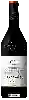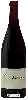
Winery CastelSyrah Réserve de France
 Red wine



This wine generally goes well with beef, lamb or mature and hard cheese.

Wine flavors and olphactive analysis



On the nose the Syrah Réserve de France of Winery Castel in the region of Pays d'Oc often reveals types of flavors of cherry, vanilla or plum and sometimes also flavors of non oak, oak or spices.
Food and wine pairings with Syrah Réserve de France
Pairings that work perfectly with Syrah Réserve de France



Original food and wine pairings with Syrah Réserve de France

The Syrah Réserve de France of Winery Castel matches generally quite well with dishes of beef, lamb or spicy food such as recipes of mexican beef tacos, tanjia (lamb shoulder confit) or curried veal roulades.
Details and technical informations about Winery Castel's Syrah Réserve de France.
Discover the grape variety: Limniona
Light, elegant reds with a clear ruby robe, smooth tannins and an airy palate with preserved acidity. Delicate signature aromas of red fruits (cherry, raspberry), rose, soft spices and fine floral notes. Finesse profile likened to Pinot Noir. Extremely rare, recently rediscovered and experiencing a fine qualitative revival among modern Greek winemakers around Karditsa. Native Greek black grape of Thessaly.
Last vintages of this wine
The best vintages of Syrah Réserve de France from Winery Castel are 2018, 2016, 2015, 2017 and 2013.
Informations about the Winery Castel
The Winery Castel is one of of the world's great estates. It offers 114 wines for sale in the of Pays d'Oc to come and discover on site or to buy online.

The wine region of Pays d'Oc
The single-grape IGP par excellence: modern, accessible, frank and fruity wines, the popular signature of the Midi. Spicy Syrah reds (pepper, blackberry), round Merlot, structured Cabernet, generous Grenache, supple Cinsault. Crisp, tangy rosés. Opulent Chardonnay whites, lively Sauvignon, floral, apricoty Viognier.
The word of the wine: Presses
The juice that results from pressing the grapes after fermentation. At the end of the maceration, the vats are emptied, the first juice obtained is called the free-run wine and the marc remaining at the bottom of the vat is then pressed to give the press wine. We say more quickly "the presses". Their quality varies according to the vintage and the maceration. A too vigorous extraction releases the tannins of pips and the wine of press can then prove to be very astringent. Often the winemaker raises it separately, deciding later whether or not to incorporate it totally or partially into the grand vin.