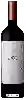
Winery Casa MontesAmpakama Dulce Natural Syrah Rosé
 Sweet wine


This wine generally goes well with beef, lamb or mature and hard cheese.
Food and wine pairings with Ampakama Dulce Natural Syrah Rosé
Pairings that work perfectly with Ampakama Dulce Natural Syrah Rosé



Original food and wine pairings with Ampakama Dulce Natural Syrah Rosé

The Ampakama Dulce Natural Syrah Rosé of Winery Casa Montes matches generally quite well with dishes of beef, lamb or spicy food such as recipes of beef tongue in hot pickle sauce, couscous chicken and merguez or stuffed squid in the sétoise sauce.
Details and technical informations about Winery Casa Montes's Ampakama Dulce Natural Syrah Rosé.
Discover the grape variety: Hibou blanc
A very old grape variety once cultivated in Savoy, now endangered. It is not the white form of the black owl.
Last vintages of this wine
The best vintages of Ampakama Dulce Natural Syrah Rosé from Winery Casa Montes are 0
Informations about the Winery Casa Montes
The Winery Casa Montes is one of of the world's great estates. It offers 50 wines for sale in the of San Juan to come and discover on site or to buy online.

The wine region of San Juan
San Juan is an important Argentinean wine-producing area, producing wines of increasing quality using traditional European Grape varieties. The wine region of San Juan covers the administrative area of the same name in the north-western corner of Argentina. The province sits between Mendoza and La Rioja, and is almost entirely contained within the mountainous foothills of the Andes. In terms of production Volume, San Juan is Argentina's second-largest wine region after Mendoza.
The word of the wine: Smell
A generic term for both unpleasant and pleasant odours known as perfumes. In the world of tasting, the term aroma is more commonly used.