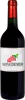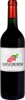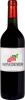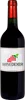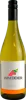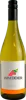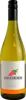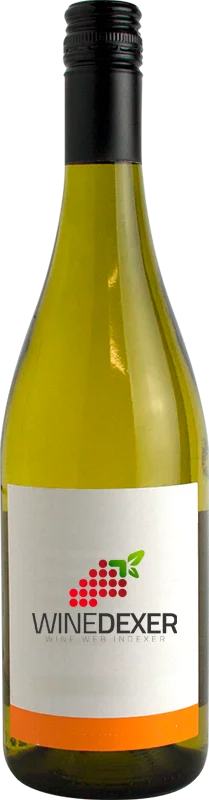
Winery PutrueleFinca Natalina Tardío Dulce Natural
 Sweet wine


This wine generally goes well with pork, vegetarian or poultry.
Food and wine pairings with Finca Natalina Tardío Dulce Natural
Pairings that work perfectly with Finca Natalina Tardío Dulce Natural



Original food and wine pairings with Finca Natalina Tardío Dulce Natural



The Finca Natalina Tardío Dulce Natural of Winery Putruele matches generally quite well with dishes of pork, rich fish (salmon, tuna etc) or spicy food such as recipes of flammekueche (with laughing cow), skate wings with capers or coconut curry cauliflower in the cookeo.
Details and technical informations about Winery Putruele's Finca Natalina Tardío Dulce Natural.
Discover the grape variety: Chardonnay
The white Chardonnay is a grape variety that originated in France (Burgundy). It produces a variety of grape specially used for wine making. It is rare to find this grape to eat on our tables. This variety of grape is characterized by small bunches, and small grapes. White Chardonnay can be found in many vineyards: South West, Burgundy, Jura, Languedoc & Roussillon, Cognac, Bordeaux, Beaujolais, Savoie & Bugey, Loire Valley, Champagne, Rhone Valley, Armagnac, Lorraine, Alsace, Provence & Corsica.
Last vintages of this wine

The best vintages of Finca Natalina Tardío Dulce Natural from Winery Putruele are 2015, 2017, 2019, 2018 and 2016.
Informations about the Winery Putruele
The Winery Putruele is one of of the world's greatest estates. It offers 49 wines for sale in the of San Juan to come and discover on site or to buy online.

The wine region of San Juan
San Juan is an important Argentinean wine-producing area, producing wines of increasing quality using traditional European Grape varieties. The wine region of San Juan covers the administrative area of the same name in the north-western corner of Argentina. The province sits between Mendoza and La Rioja, and is almost entirely contained within the mountainous foothills of the Andes. In terms of production Volume, San Juan is Argentina's second-largest wine region after Mendoza.
The word of the wine: Golden
Brown colour with red and yellow reflections characteristic of evolved wines.