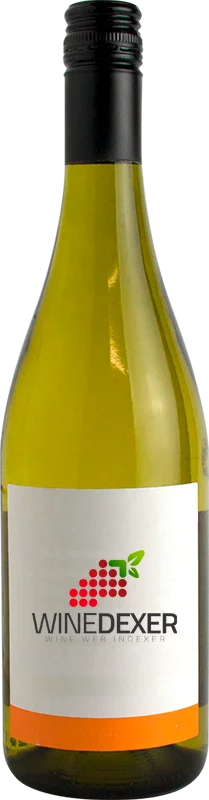
Bodega Finca Las MorasLate Harvest Viognier
 Sweet wine



This wine is composed of 100% of the grape variety Viognier.
This wine generally goes well with pork, poultry or rich fish (salmon, tuna etc).



Food and wine pairings with Late Harvest Viognier
Pairings that work perfectly with Late Harvest Viognier



Original food and wine pairings with Late Harvest Viognier

The Late Harvest Viognier of Bodega Finca Las Moras matches generally quite well with dishes of pork, rich fish (salmon, tuna etc) or spicy food such as recipes of alsatian sauerkraut, braids of sole and salmon with morels or monkfish with curry.
Details and technical informations about Bodega Finca Las Moras's Late Harvest Viognier.
Discover the grape variety: Viognier
Opulent, heady whites, rich and silky, with intense aromas of apricot, yellow peach, mango, violet, honeysuckle and musky, honeyed notes. Discreet acidity, creamy finish. Star of Condrieu AOC and Château-Grillet AOC, co-vinified in Côte-Rôtie with Syrah (up to 20%). Widely exported to California (Central Coast), Australia (Eden Valley) and Languedoc. A Rhône variety.
Last vintages of this wine
The best vintages of Late Harvest Viognier from Bodega Finca Las Moras are 2010, 0, 2012
Informations about the Bodega Finca Las Moras
The Bodega Finca Las Moras is one of wineries to follow in San Juan.. It offers 219 wines for sale in the of San Juan to come and discover on site or to buy online.

The wine region of San Juan
Argentina's 2nd province by volume, a very sunny Andean oasis (<30 cloudy days/year). Signature Syrah (~22% of Argentine Syrah): intense, sun-drenched reds with signature notes of blackberry, black plum, pepper, olive, violet and sweet spice, round tannins and vivid fruit. Also fleshy Malbec, supple Bonarda, spicy Tempranillo. Floral, muscat Torrontes and ample Chardonnay in white.
The word of the wine: Chaptalization
The addition of sugar at the time of fermentation of the must, an ancient practice, but theorized by Jean-Antoine Chaptal at the dawn of the 19th century. The sugar is transformed into alcohol and allows the natural degree of the wine to be raised in a weak or cold year, or - more questionably - when the winegrower has a harvest that is too large to obtain good maturity.


