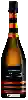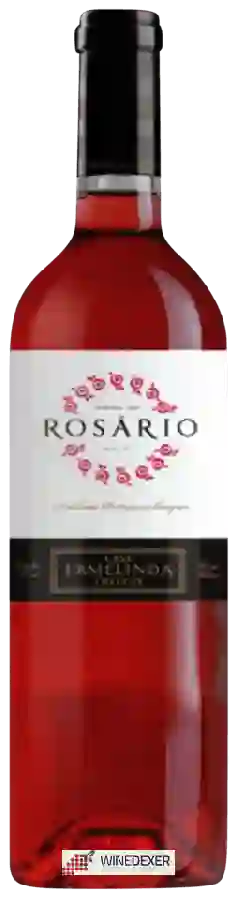
Winery Casa Ermelinda FreitasRosario Rosé
 Pink wine



This wine generally goes well with

Wine flavors and olphactive analysis



On the nose the Rosario Rosé of Winery Casa Ermelinda Freitas in the region of Península de Setúbal often reveals types of flavors of non oak, earth or oak and sometimes also flavors of tree fruit, spices or red fruit.
Details and technical informations about Winery Casa Ermelinda Freitas's Rosario Rosé.
Discover the grape variety: Malvasia Bianca Lunga
Structured, rich dry whites with a pale golden colour, a full palate and moderate acidity, showing signature aromas of yellow fruits (pear, apricot), white flowers, almond and discreet muscat notes. Also a pillar of Tuscan Vin Santo passito, producing honeyed, dried-fruit sweet wines. A traditional component of Chianti (before 2006) and many Tuscan whites. White Malvasia variety grown in Tuscany and Umbria.
Last vintages of this wine
The best vintages of Rosario Rosé from Winery Casa Ermelinda Freitas are 2010, 2013, 2019, 2017 and 2015.
Informations about the Winery Casa Ermelinda Freitas
The Winery Casa Ermelinda Freitas is one of of the world's great estates. It offers 106 wines for sale in the of Península de Setúbal to come and discover on site or to buy online.

The wine region of Península de Setúbal
Portuguese peninsula south of Lisbon between the Tagus and Sado estuaries. World-renowned speciality: Moscatel de Setúbal, a golden fortified sweet wine with signature notes of candied orange, dried apricot, honey, fig, currant and sweet spices, long ageing — the rare Roxo version has more floral notes. Also fruity, supple Castelão reds (64%) (blackberry, plum), perfumed Touriga Nacional. Oceanic climate.
The word of the wine: N-D
Negociant-distributor. In Champagne, a company that buys finished wines in bottles that are dressed under a brand name with the merchant's own labels.