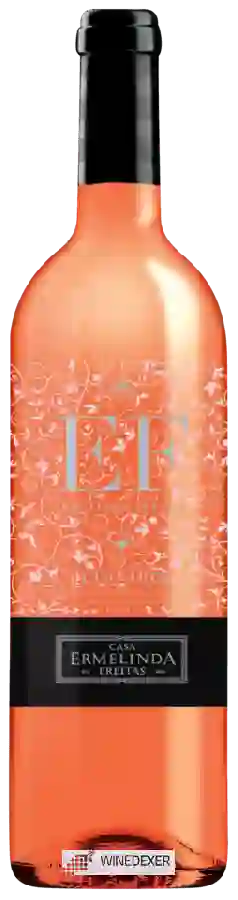
Winery Casa Ermelinda FreitasEF Rosé
 Pink wine



This wine generally goes well with beef, lamb or mature and hard cheese.

Food and wine pairings with EF Rosé
Pairings that work perfectly with EF Rosé



Original food and wine pairings with EF Rosé

The EF Rosé of Winery Casa Ermelinda Freitas matches generally quite well with dishes of beef, lamb or spicy food such as recipes of beef kidney, lamb shoulder confit or chicken tagine.
Details and technical informations about Winery Casa Ermelinda Freitas's EF Rosé.
Discover the grape variety: Vilana
Dry, vivid and fresh whites with a pale golden robe, slender mouthfeel and preserved acidity, with delicate aromas of citrus (lemon, grapefruit), green apple, pear, white flowers, Mediterranean herbs and saline mineral notes. Thirst-quenching profile and aromatic finesse. Star of Peza PDO in central Crete (Heraklion), often blended with Vidiano and Thrapsathiri. An autochthonous Greek Cretan variety, signature of easy-drinking island whites and the viticultural revival of Crete.
Last vintages of this wine
The best vintages of EF Rosé from Winery Casa Ermelinda Freitas are 2015, 0, 2019
Informations about the Winery Casa Ermelinda Freitas
The Winery Casa Ermelinda Freitas is one of wineries to follow in Península de Setúbal.. It offers 106 wines for sale in the of Península de Setúbal to come and discover on site or to buy online.

The wine region of Península de Setúbal
Portuguese peninsula south of Lisbon between the Tagus and Sado estuaries. World-renowned speciality: Moscatel de Setúbal, a golden fortified sweet wine with signature notes of candied orange, dried apricot, honey, fig, currant and sweet spices, long ageing — the rare Roxo version has more floral notes. Also fruity, supple Castelão reds (64%) (blackberry, plum), perfumed Touriga Nacional. Oceanic climate.
The word of the wine: Roussette
See highness.