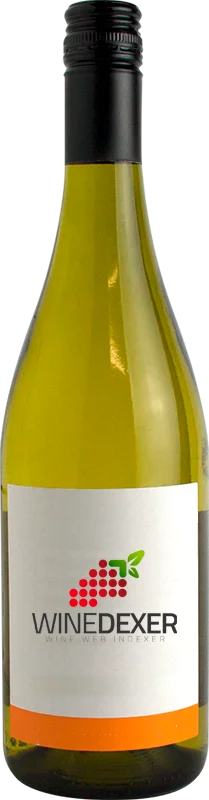
Winery Cantine CrosioErbalus
 White wine



In the mouth this white wine is a powerful.
This wine generally goes well with lean fish, shellfish or mature and hard cheese.

Taste structure of the Erbalus from the Winery Cantine Crosio
Light | Bold | |
Dry | Sweet | |
Soft | Acidic |
In the mouth the Erbalus of Winery Cantine Crosio in the region of Piedmont is a powerful.
Wine flavors and olphactive analysis



On the nose the Erbalus of Winery Cantine Crosio in the region of Piedmont often reveals types of flavors of citrus fruit.
Food and wine pairings with Erbalus
Pairings that work perfectly with Erbalus



Original food and wine pairings with Erbalus


The Erbalus of Winery Cantine Crosio matches generally quite well with dishes of pasta, shellfish or mature and hard cheese such as recipes of fish lasagne, fried squid or high savoyard chicken !.
Details and technical informations about Winery Cantine Crosio's Erbalus.
Discover the grape variety: Viosinho
Structured, aromatic dry whites with a pale golden colour, an ample palate and preserved acidity, showing refined aromas of citrus (lemon, orange), white flowers (acacia, orange blossom), yellow fruits (pear, peach, apricot) and schistous mineral notes. Fine ageing and cellaring potential. An essential component of the great whites of Douro DOC and white Port. Indigenous Portuguese variety of the Douro and Trás-os-Montes, signature of north-eastern Portugal.
Last vintages of this wine
The best vintages of Erbalus from Winery Cantine Crosio are 2018, 0, 2016, 2017
Informations about the Winery Cantine Crosio
The Winery Cantine Crosio is one of of the world's greatest estates. It offers 17 wines for sale in the of Erbaluce di Caluso to come and discover on site or to buy online.

The wine region of Erbaluce di Caluso
Piedmontese DOCG of Canavese (~242 ha around Caluso), exclusive Erbaluce in three styles. Secco as crisp white: precise and mineral with green apple, citrus, white flowers, almond and alpine touch, lively palate. Metodo Classico Spumante as fine sparkling (brioche, citrus). Exceptional golden Passito (dried grapes, 36-48 months ageing): candied apricot, honey, hazelnut, roasted almond — among Italy's greatest passito.
The wine region of Piedmont
Kingdom of Nebbiolo: Barolo and Barbaresco DOCG, long-ageing reds with firm tannins and lively acidity, complex aromas of withered rose, sour cherry, tar, truffle and undergrowth. More accessible, tangy Barbera on red fruit, supple, crisp Dolcetto. Sweet, floral sparkling Moscato d'Asti, mineral, lemony Gavi (Cortese) white, round, almondy Arneis from Roero. 50,000 ha across the Langhe, Roero and Monferrato, UNESCO.
The word of the wine: Malic (acid)
An acid that occurs naturally in many wines and is transformed into lactic acid during malolactic fermentation.