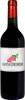
Winery Cantina SantoriNono Senso
 Red wine


This wine is a blend of 2 varietals which are the Cabernet-Sauvignon and the Sangiovese.
In the mouth this red wine is a with a nice balance between acidity and tannins.
This wine generally goes well with poultry, beef or veal.

Taste structure of the Nono Senso from the Winery Cantina Santori
Light | Bold | |
Smooth | Tannic | |
Dry | Sweet | |
Soft | Acidic |
In the mouth the Nono Senso of Winery Cantina Santori in the region of Marche is a with a nice balance between acidity and tannins.
Food and wine pairings with Nono Senso
Pairings that work perfectly with Nono Senso



Original food and wine pairings with Nono Senso

The Nono Senso of Winery Cantina Santori matches generally quite well with dishes of beef, pasta or veal such as recipes of millet with gruyere cheese, special' tagliatelle carbonara or blanquette of veal in pickle sauce.
Details and technical informations about Winery Cantina Santori's Nono Senso.
Discover the grape variety: Cabernet-Sauvignon
Structured, tannic reds, deeply coloured, with aromas of blackcurrant, blackberry, cedar, tobacco and graphite, underpinned by firm acidity and fine ageing potential. Cornerstone of the great Médoc estates (Pauillac, Saint-Estèphe, Saint-Julien) and signature of Napa Valley, Coonawarra and Maipo. The world's most planted red variety, a natural cross of Cabernet Franc x Sauvignon Blanc born in Bordeaux.
Last vintages of this wine
The best vintages of Nono Senso from Winery Cantina Santori are 0
Informations about the Winery Cantina Santori
The Winery Cantina Santori is one of of the world's greatest estates. It offers 9 wines for sale in the of Marche to come and discover on site or to buy online.

The wine region of Marche
Italian star of Verdicchio: exceptional age-worthy whites, straight and mineral with signature notes of green almond, lemon, green apple, dry herbs and a slightly bitter finish. Two DOCGs: Castelli di Jesi (coastal, airy) and Matelica (inland, more concentrated). Mediterranean reds: fleshy Montepulciano in Rosso Conero near Ancona, supple Sangiovese. Also fresh Pecorino and Passerina.
The word of the wine: Rimage
"Vintage", in Catalan. A natural sweet wine that is bottled early to preserve its fruitiness, as opposed to those aged in an oxidizing environment (see this word). Syn.: vintage (for maury, port).