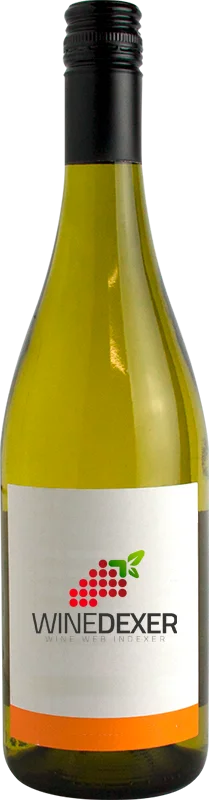
Winery Cantina SantoriCollemara Ribona
 White wine



In the mouth this white wine is a powerful with a nice freshness.
This wine generally goes well with vegetarian, appetizers and snacks or lean fish.

Taste structure of the Collemara Ribona from the Winery Cantina Santori
Light | Bold | |
Dry | Sweet | |
Soft | Acidic |
In the mouth the Collemara Ribona of Winery Cantina Santori in the region of Marche is a powerful with a nice freshness.
Food and wine pairings with Collemara Ribona
Pairings that work perfectly with Collemara Ribona



Original food and wine pairings with Collemara Ribona


The Collemara Ribona of Winery Cantina Santori matches generally quite well with dishes of pasta, vegetarian or appetizers and snacks such as recipes of one pot pasta with creamy chicken farfalle, goat cheese and bacon quiche or tapenade with green olives.
Details and technical informations about Winery Cantina Santori's Collemara Ribona.
Discover the grape variety: Souzao
Intensely coloured, tangy reds with an almost black deep ruby robe, firm tannins and a dense, high-acidity palate, showing signature aromas of black fruits (blackberry, cassis), black cherry, spice and balsamic notes. A traditional component of vintage Port, contributing colour and acidity, present in dry reds from Douro DOC, also grown in California. The synonym for Portuguese Sousão, identical to Vinhão and Galician Sousón.
Last vintages of this wine
The best vintages of Collemara Ribona from Winery Cantina Santori are 0
Informations about the Winery Cantina Santori
The Winery Cantina Santori is one of of the world's greatest estates. It offers 9 wines for sale in the of Colli Maceratesi to come and discover on site or to buy online.

The wine region of Colli Maceratesi
DOC of the Marches (1975) on the hills of Macerata down to the Adriatic, calcareous and clayey soils. Maceratino (Ribona) as the rare exclusive white — dry and delicate with citrus, yellow apple, white flowers, fennel and a saline mineral touch, fresh acidity, often skin-macerated as an "orange" wine for more structure. Sangiovese as the red, blended with Montepulciano, Cabernet and Merlot: ruby and fruity with cherry notes and a hint of herbs, rounded tannins.
The wine region of Marche
Italian star of Verdicchio: exceptional age-worthy whites, straight and mineral with signature notes of green almond, lemon, green apple, dry herbs and a slightly bitter finish. Two DOCGs: Castelli di Jesi (coastal, airy) and Matelica (inland, more concentrated). Mediterranean reds: fleshy Montepulciano in Rosso Conero near Ancona, supple Sangiovese. Also fresh Pecorino and Passerina.
The word of the wine: Local wine
Table wine, but with the origin indicated. It corresponds to a particular legislation: the freedom to use grape varieties is greater than for the AOC, but the quality criteria such as the approval tastings can sometimes be more demanding. The legislation is still evolving, but for the moment there are three levels: regional (e.g. Vin de Pays d'Oc), departmental and local (e.g. Côtes de Thongue).