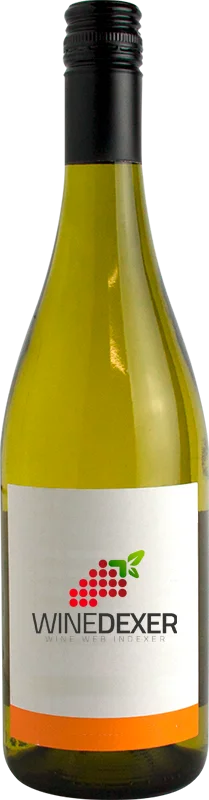
Winery Cantina la SpinaFilare Maiore
 White wine



In the mouth this white wine is a powerful with a nice freshness.
This wine generally goes well with vegetarian, appetizers and snacks or lean fish.
Taste structure of the Filare Maiore from the Winery Cantina la Spina
Light | Bold | |
Dry | Sweet | |
Soft | Acidic |
In the mouth the Filare Maiore of Winery Cantina la Spina in the region of Umbria is a powerful with a nice freshness.
Food and wine pairings with Filare Maiore
Pairings that work perfectly with Filare Maiore



Original food and wine pairings with Filare Maiore


The Filare Maiore of Winery Cantina la Spina matches generally quite well with dishes of pasta, vegetarian or appetizers and snacks such as recipes of cannelloni chicken, pepper and mozzarella, magic cake cheese quiche or sweet potato chips.
Details and technical informations about Winery Cantina la Spina's Filare Maiore.
Discover the grape variety: Madeleine angevine O.
This variety was obtained in the 19th century by Christian Oberlin, by crossing the madeleine angevine with the bouquettraube, registered in the Official Catalogue of vine varieties list A1. It should not be confused with the said Madeleine Angevine because its resemblance is strong, at least in its bunches. Today, Madeleine angevine Oberlin is no longer cultivated, it is still only found in a few private homes, usually on trellises. - Synonymy: angevine oberlin, madeleine blonde oberlin (the synonymy of grape varieties, click here!)
Last vintages of this wine
The best vintages of Filare Maiore from Winery Cantina la Spina are 0
Informations about the Winery Cantina la Spina
The Winery Cantina la Spina is one of of the world's greatest estates. It offers 9 wines for sale in the of Umbria to come and discover on site or to buy online.

The wine region of Umbria
Umbria, in CentralItaly, is a region of lush hills, hilltop villages and iconic historic towns. The latter are exemplified by Orvieto and Assisi. At the very heart of the Italian peninsula, it is surrounded by Tuscany, Marche and Lazio. It is in fact the only Italian region without a coastline or international border.
The word of the wine: Serious
A Bordeaux term for small pebbles from the Pyrenees, eroded, rounded and transported by the Garonne to Aquitaine. They are mainly found on the left bank in the area.... known as the Graves, and further downstream in the Médoc. By extension, gravel is found in other regions, brought by other rivers or even glaciers.