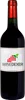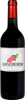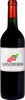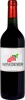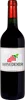
Winery Candide BridyMéliades
 Red wine


This wine is a blend of 3 varietals which are the Cabernet-Sauvignon, the Diolinoir and the Humagne rouge.
This wine generally goes well with poultry, beef or lamb.

Food and wine pairings with Méliades
Pairings that work perfectly with Méliades



Original food and wine pairings with Méliades


The Méliades of Winery Candide Bridy matches generally quite well with dishes of beef, lamb or spicy food such as recipes of alsatian bäckeoffe, leg with a spoon or seven o'clock leg or scallops with coconut cream.
Details and technical informations about Winery Candide Bridy's Méliades.
Discover the grape variety: Cabernet-Sauvignon
Structured, tannic reds, deeply coloured, with aromas of blackcurrant, blackberry, cedar, tobacco and graphite, underpinned by firm acidity and fine ageing potential. Cornerstone of the great Médoc estates (Pauillac, Saint-Estèphe, Saint-Julien) and signature of Napa Valley, Coonawarra and Maipo. The world's most planted red variety, a natural cross of Cabernet Franc x Sauvignon Blanc born in Bordeaux.
Last vintages of this wine
The best vintages of Méliades from Winery Candide Bridy are 0
Informations about the Winery Candide Bridy
The Winery Candide Bridy is one of of the world's greatest estates. It offers 34 wines for sale in the of Valais to come and discover on site or to buy online.

The wine region of Valais
Switzerland's largest vineyard, capital of native grapes. Straight, precise alpine whites: light, floral Chasselas (Fendant), signature Petite Arvine with saline, grapefruit and rhubarb notes, rich, apricoty Amigne, mineral Humagne Blanche. Altitude reds: fine Pinot Noir, crisp Gamay, native Cornalin and Humagne Rouge, spicy and deep. Highly precise alpine age-worthy wines.
The word of the wine: Old vines
There are no specific regulations governing the term "vieilles vignes". After 20 to 25 years, the yields stabilize and tend to decrease, the vines are deeply rooted, and the grapes that come from them give richer, more concentrated, more sappy wines, expressing with more nuance the characteristics of their terroir. It is possible to find plots of vines that claim to be a century old.