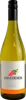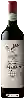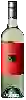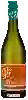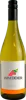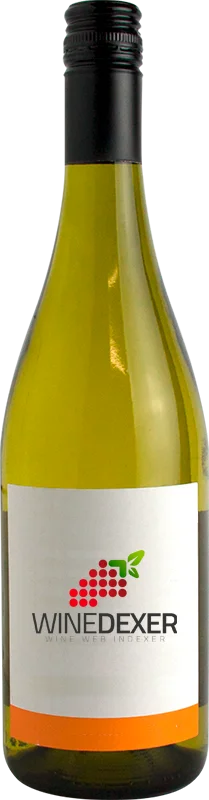
Winery Cambridge CrossingSémillon - Sauvignon Blanc
 White wine


This wine generally goes well with vegetarian, poultry or rich fish (salmon, tuna etc).

Food and wine pairings with Sémillon - Sauvignon Blanc
Pairings that work perfectly with Sémillon - Sauvignon Blanc



Original food and wine pairings with Sémillon - Sauvignon Blanc


The Sémillon - Sauvignon Blanc of Winery Cambridge Crossing matches generally quite well with dishes of rich fish (salmon, tuna etc), shellfish or sweet desserts such as recipes of sushi cake, slivers of squid with tomato or rice with milk.
Details and technical informations about Winery Cambridge Crossing's Sémillon - Sauvignon Blanc.
Discover the grape variety: Riesling
Crystalline, taut whites with vibrant acidity and aromas of citrus, green apple, white flowers, vineyard peach and mineral/petrol notes with age. Made as dry (Trocken, Alsace), off-dry (Kabinett, Spätlese) and sweet (Auslese, Beerenauslese, Trockenbeerenauslese, late harvest). Star of the Moselle, Rheingau, Alsace AOC and Wachau. Also exported to Clare Valley and Finger Lakes.
Last vintages of this wine

The best vintages of Sémillon - Sauvignon Blanc from Winery Cambridge Crossing are 2018, 2017, 0
Informations about the Winery Cambridge Crossing
The Winery Cambridge Crossing is one of of the world's greatest estates. It offers 7 wines for sale in the of Australie du Sud to come and discover on site or to buy online.

The wine region of Australie du Sud
Cradle of the great Australian Shiraz: powerful, sun-drenched reds with notes of blackberry, candied plum, pepper, chocolate and eucalyptus, ample tannins and vibrant fruit (Barossa, McLaren Vale). Firm, minty Cabernet Sauvignon on Coonawarra (terra rossa). Dry, lemony Riesling from Clare and Eden Valley, straight and taut. Fresh Sauvignon and Chardonnay from Adelaide Hills.
The word of the wine: Reassembly
During the vinification process, a "cap" is formed at the top of the vats with the solid parts (skin, pulp, pips, etc.), which contain tannins and colouring elements. Pumping over consists of emptying the vat from the bottom and pouring the juice back to the top, in order to mix the cap and the juice and to favour the exchange and the extraction. This old technique allows a better exchange between the solid parts and the liquid.