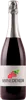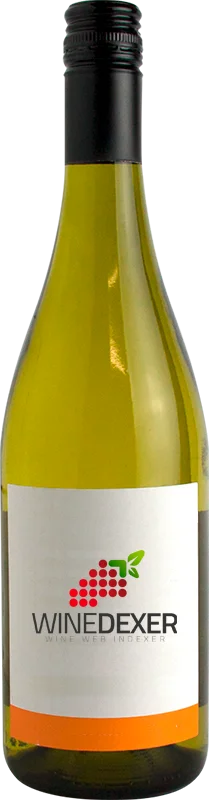
Winery CairMaestro Sauvignon White Dry
 White wine



This wine generally goes well with vegetarian, rich fish (salmon, tuna etc) or shellfish.
The Maestro Sauvignon White Dry of the Winery Cair is in the top 20 of wines of Aegean Sea.

Wine flavors and olphactive analysis




On the nose the Maestro Sauvignon White Dry of Winery Cair in the region of Aegean Sea often reveals types of flavors of lemon, spices or citrus fruit.
Food and wine pairings with Maestro Sauvignon White Dry
Pairings that work perfectly with Maestro Sauvignon White Dry



Original food and wine pairings with Maestro Sauvignon White Dry
The Maestro Sauvignon White Dry of Winery Cair matches generally quite well with dishes of rich fish (salmon, tuna etc), shellfish or vegetarian such as recipes of sea bream, baeckeoffe with fish or summer tuna quiche.
Details and technical informations about Winery Cair's Maestro Sauvignon White Dry.
Discover the grape variety: Arrouya
Light, fruity reds with a clear ruby colour, supple tannins and delicate aromas of red fruits (cherry, raspberry), gentle spices and floral notes. A rare, airy profile now virtually absent from commercial viticulture. Preserved for its heritage value, this ancient variety survives in a few Pyrenean plots among the historic grapes of the South-West.
Last vintages of this wine
The best vintages of Maestro Sauvignon White Dry from Winery Cair are 2018
Informations about the Winery Cair
The Winery Cair is one of of the world's great estates. It offers 64 wines for sale in the of Aegean Sea to come and discover on site or to buy online.

The wine region of Aegean Sea
West Turkish coastal region (Izmir, Manisa, Denizli, Aydin), ~53% of national production, sunny Mediterranean climate. Sultaniye: light and fresh with citrus, apple, melon. Bornova Misketi: aromatic and floral (rose, honey). Reds: Cabernet Sauvignon and Syrah dense and sunny (blackcurrant, blackberry, pepper, garrigue, firm tannins) — international varieties that ripen perfectly here.
The word of the wine: Passerillage
Concentration of the grape by drying out, under the influence of wind or sun, as opposed to botrytisation, which is the concentration obtained by the development of the "noble rot" for which Botrytis cinerea is responsible. The word is mainly used for sweet wines.