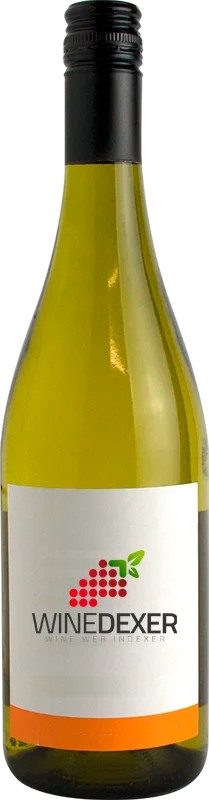
Winery BrunnmuhleSimon Krebs Twann Riesling
 White wine



This wine generally goes well with pork, vegetarian or poultry.

Food and wine pairings with Simon Krebs Twann Riesling
Pairings that work perfectly with Simon Krebs Twann Riesling



Original food and wine pairings with Simon Krebs Twann Riesling



The Simon Krebs Twann Riesling of Winery Brunnmuhle matches generally quite well with dishes of pork, rich fish (salmon, tuna etc) or spicy food such as recipes of potjevleesch, codfish aioli or chakchouka.
Details and technical informations about Winery Brunnmuhle's Simon Krebs Twann Riesling.
Discover the grape variety: Riesling
Crystalline, taut whites with vibrant acidity and aromas of citrus, green apple, white flowers, vineyard peach and mineral/petrol notes with age. Made as dry (Trocken, Alsace), off-dry (Kabinett, Spätlese) and sweet (Auslese, Beerenauslese, Trockenbeerenauslese, late harvest). Star of the Moselle, Rheingau, Alsace AOC and Wachau. Also exported to Clare Valley and Finger Lakes.
Last vintages of this wine
The best vintages of Simon Krebs Twann Riesling from Winery Brunnmuhle are 0
Informations about the Winery Brunnmuhle
The Winery Brunnmuhle is one of of the world's greatest estates. It offers 6 wines for sale in the of Neuchâtel to come and discover on site or to buy online.

The wine region of Neuchâtel
Swiss vineyard on the western shore of the lake, 606 ha in the Three Lakes region. Signature Pinot Noir (55% of the vineyard, the local prince): fine, fresh reds with notes of cherry, raspberry, undergrowth and sweet spices, silky tannins. Specialty invented here: Œil-de-Perdrix, a delicate Pinot Noir rosé with salmon hues. Lively, mineral Chasselas (citrus, flint) in white, including the identity-marking Non-Filtré primeur.
The word of the wine: Second fermentation
In the making of champagne, fermentation of the base wine to which is added the liqueur de tirage and which takes place in the bottle. This second fermentation produces the carbon dioxide, and therefore the bubbles that make up the effervescence of the wine.