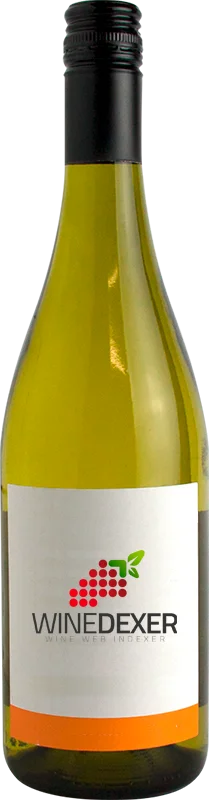
Winery Bremer RatskellerDiefenbacher König Schwarzriesling Trocken
 White wine
In the mouth this white wine is a with a nice freshness.
This wine generally goes well with pork, poultry or shellfish.
Taste structure of the Diefenbacher König Schwarzriesling Trocken from the Winery Bremer Ratskeller
Light | Bold | |
Dry | Sweet | |
Soft | Acidic |
In the mouth the Diefenbacher König Schwarzriesling Trocken of Winery Bremer Ratskeller in the region of Württemberg is a with a nice freshness.
Food and wine pairings with Diefenbacher König Schwarzriesling Trocken
Pairings that work perfectly with Diefenbacher König Schwarzriesling Trocken



Original food and wine pairings with Diefenbacher König Schwarzriesling Trocken


The Diefenbacher König Schwarzriesling Trocken of Winery Bremer Ratskeller matches generally quite well with dishes of pork, shellfish or spicy food such as recipes of sloth pork loin, salt and pepper shrimp or filet mignon with curry.
Details and technical informations about Winery Bremer Ratskeller's Diefenbacher König Schwarzriesling Trocken.
Discover the grape variety: Alvarinho
The white Alvarinho is a grape variety originating from Spain. It produces a variety of grape specially used for the elaboration of wine. It is rare to find this grape to eat on our tables. This variety of grape is characterized by small bunches and small grapes. The white Alvarinho can be found cultivated in these vineyards: South-West, Cognac, Bordeaux, Languedoc & Roussillon, Rhone Valley.
Informations about the Winery Bremer Ratskeller
The Winery Bremer Ratskeller is one of of the world's great estates. It offers 87 wines for sale in the of Württemberg to come and discover on site or to buy online.

The wine region of Württemberg
Württemberg is known as Germany's premier red wine region. With almost 11,500 hectares (28,500 acres) of vineyards, it is the fourth-largest wine region in the country. Found adjacent to Baden and South of Franken, Wüttemberg is a particularly hilly and rural wine-region. Almost 70-percent of Württemberg wines are red, predominantly made from Trollinger, SchwarzRiesling and Lemberger.
The word of the wine: Old vines
There are no specific regulations governing the term "vieilles vignes". After 20 to 25 years, the yields stabilize and tend to decrease, the vines are deeply rooted, and the grapes that come from them give richer, more concentrated, more sappy wines, expressing with more nuance the characteristics of their terroir. It is possible to find plots of vines that claim to be a century old.