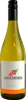
Maison BoueyPromenade Croisette Doux Naturel Banyuls
 Natural sweet wine


This wine generally goes well with
Details and technical informations about Maison Bouey's Promenade Croisette Doux Naturel Banyuls.
Discover the grape variety: Bertille Seyve 450
Interspecific crossing carried out by Bertille Seyve (1864-1944) between the 2003 Seibel and the Noah, which it closely resembles. It was mainly cultivated in the western departments of France, but also in the Rhône valley and the Ain.
Informations about the Maison Bouey
The Maison Bouey is one of of the world's great estates. It offers 509 wines for sale in the of Banyuls to come and discover on site or to buy online.

The wine region of Banyuls
Banyuls wines come from the South-eastern Part of Roussillon, in the south of France, in the lower Pyrenees, a few kilometres from the Spanish border. These naturally Sweet wines are consumed both as an aperitif and as a dessert. They come in a wide range of hues, from GoldenGreen (Banyuls Blanc) to Amber (Banyuls Ambré) to the intense garnet of the standard Banyuls Rouge. Unusually among the natural sweet wines of France, all Banyuls wines are made primarily from Grenache grapes of various colors.
The wine region of Languedoc-Roussillon
Languedoc (formerly Coteaux du Languedoc) is a key appellation used in the Languedoc-Roussillon wine region of southern France. It covers Dry table wines of all three colors (red, white and rosé) from the entire region, but leaves Sweet and Sparkling wines to other more specialized appellations. About 75% of all Languedoc wines are red, with the remaining 25% split roughly down the middle between whites and rosés. The appellation covers most of the Languedoc region and almost a third of all the vineyards in France.
The word of the wine: Discharge
Action consisting of removing suspended particles (sludge) from the must.