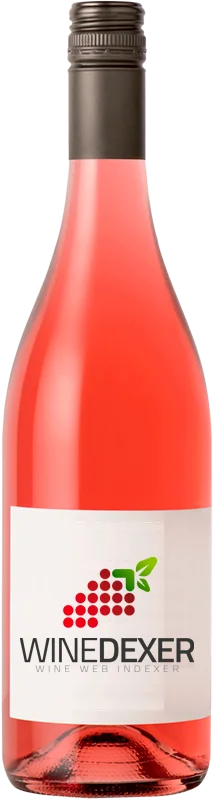
Winery Borde RougeCorbières Rosé
 Pink wine



In the mouth this pink wine is a with a nice freshness.
This wine generally goes well with vegetarian, appetizers and snacks or lean fish.

Taste structure of the Corbières Rosé from the Winery Borde Rouge
Light | Bold | |
Dry | Sweet | |
Soft | Acidic |
In the mouth the Corbières Rosé of Winery Borde Rouge in the region of Languedoc-Roussillon is a with a nice freshness.
Food and wine pairings with Corbières Rosé
Pairings that work perfectly with Corbières Rosé



Original food and wine pairings with Corbières Rosé


The Corbières Rosé of Winery Borde Rouge matches generally quite well with dishes of pasta, vegetarian or appetizers and snacks such as recipes of mascarpone/gorgonzola macaroni gratin, broccoli and blue cheese quiche without pastry or tuna samoussa.
Details and technical informations about Winery Borde Rouge's Corbières Rosé.
Discover the grape variety: Carcajolo
Simple, fresh whites with low aromatics, a pale golden robe, a supple palate with moderate acidity, and discreet aromas of citrus and Mediterranean white flowers. Often blended in local Corsican whites, a precious witness of the island's ampelographic heritage. White Corsican variety, a mutation of Carcajolo noir, grown on a few hectares in Corse-du-Sud.
Informations about the Winery Borde Rouge
The Winery Borde Rouge is one of of the world's greatest estates. It offers 12 wines for sale in the of Corbières to come and discover on site or to buy online.

The wine region of Corbières
Largest AOC in Languedoc, 95% Mediterranean reds. Signature old-vine Carignan (up to 60%): fleshy reds with black fruit, garrigue, black olive, spice and tight tannins. Blended with round, sunny Grenache, peppery Syrah, dense Mourvèdre and supple Cinsault. A few fresh rosés and whites (Grenache Blanc, Roussanne).
The wine region of Languedoc-Roussillon
Largest single French vineyard, dominated by sunny, generous reds. Spicy Syrah, candied Grenache (ripe fruit, garrigue), structured Carignan, deep Mourvèdre, supple Cinsault. Stars: structured Corbières, Minervois, Faugères, Saint-Chinian; round Côtes-du-Roussillon. Legendary vins doux naturels: Banyuls and Maury (fortified Grenache) with notes of cocoa, fig, prune.
The word of the wine: Classified growth
Place name or castle subject to a classification (Médoc classification of 1855, classified growths of Alsace...)