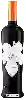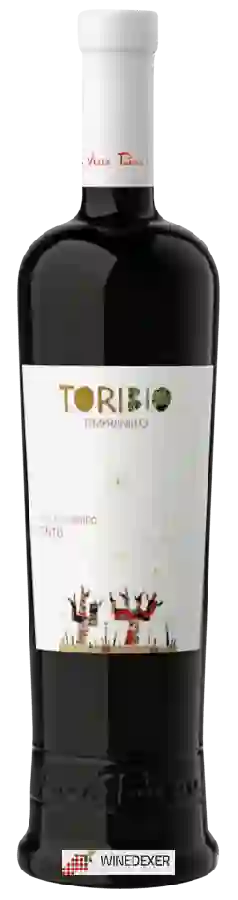
Bodegas ToribioTinto
 Red wine


In the mouth this red wine is a powerful with a lot of tannins present in the mouth.
This wine generally goes well with poultry, beef or veal.

Taste structure of the Tinto from the Bodegas Toribio
Light | Bold | |
Smooth | Tannic | |
Dry | Sweet | |
Soft | Acidic |
In the mouth the Tinto of Bodegas Toribio in the region of Estrémadure is a powerful with a lot of tannins present in the mouth.
Food and wine pairings with Tinto
Pairings that work perfectly with Tinto



Original food and wine pairings with Tinto

The Tinto of Bodegas Toribio matches generally quite well with dishes of beef, lamb or veal such as recipes of bernard's potée, rice with paprika and merguez or veal paupiettes with forestry sauce.
Details and technical informations about Bodegas Toribio's Tinto.
Discover the grape variety: Tempranillo
Elegant, structured reds with aromas of strawberry, cherry, plum, leather, blond tobacco and pronounced vanilla from long oak ageing. Ranges from Joven to Crianza, Reserva and Gran Reserva. Star of Rioja DOCa, Ribera del Duero DO and Toro DO, also shines in the Douro as Tinta Roriz/Aragonez. One of the world's most planted Spanish varieties.
Last vintages of this wine
The best vintages of Tinto from Bodegas Toribio are 0
Informations about the Bodegas Toribio
The Bodegas Toribio is one of of the world's great estates. It offers 26 wines for sale in the of Estrémadure to come and discover on site or to buy online.

The wine region of Estrémadure
Autonomous community of western Spain, the 2nd largest national vineyard (~87,000 ha) with excellent value for money. Tempranillo signature in red: round and accessible with signature notes of ripe cherry, plum, soft vanilla, leather and a spicy touch, supple tannins. Sun-drenched Garnacha, colourful Bobal, firm Cabernet complete the line-up. Vivid Cayetana and Pardina whites (citrus, flowers).
The word of the wine: Bâtonnage
A very old technique that has come back into fashion in modern oenology, which consists of shaking the white wine in the barrels at the end of fermentation, or after fermentation, with a stick or a flail, in order to suspend the fine lees composed of yeasts at the end of their activity. This process is sometimes used for red wines.