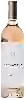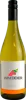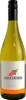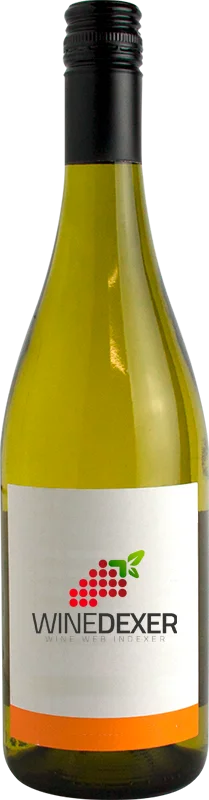
Bodegas San LorenzoSémillon
 White wine


This wine generally goes well with poultry, rich fish (salmon, tuna etc) or shellfish.
The Sémillon of the Bodegas San Lorenzo is in the top 90 of wines of Valle de Parras.

Food and wine pairings with Sémillon
Pairings that work perfectly with Sémillon



Original food and wine pairings with Sémillon

The Sémillon of Bodegas San Lorenzo matches generally quite well with dishes of rich fish (salmon, tuna etc), shellfish or sweet desserts such as recipes of salmon carpaccio with pink berries and shallots, giant paella cooked on a wood fire or very simple muffins.
Details and technical informations about Bodegas San Lorenzo's Sémillon.
Discover the grape variety: Couderc 13
Simple, fresh dry whites with a pale golden colour, supple mouthfeel and moderate acidity, showing undemonstrative aromas of citrus and white flowers. Productive. Now marginal, surviving in a few French varietal collections as a witness to post-phylloxera hybridisation history. French white hybrid obtained by Georges Couderc in the late 19th century, in the lineage of phylloxera-resistant crossings.
Last vintages of this wine
The best vintages of Sémillon from Bodegas San Lorenzo are 2013, 2012, 0
Informations about the Bodegas San Lorenzo
The Bodegas San Lorenzo is one of of the world's great estates. It offers 41 wines for sale in the of Valle de Parras to come and discover on site or to buy online.

The wine region of Valle de Parras
Cradle of American wine in the heart of Coahuila (Mexico), Sierra Madre Oriental at ~1,525 m, hot desert climate with marked diurnal swings. Casa Madero (1597) is the continent's oldest winery. Signature Cabernet Sauvignon as red king: dense and solar with blackcurrant, blackberry, black cherry, cedar, tobacco and eucalyptus, firm tannins. Fleshy Tempranillo, supple Merlot, peppery Syrah.
The word of the wine: Secondary aromas
Aromas resulting from the fermentation and maturation of the wine before bottling. The aging in barrels modifies considerably the texture and the flavours of the wine.