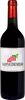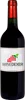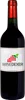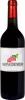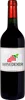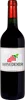
Bodega FlorsFlor de Clotàs
 Red wine



In the mouth this red wine is a powerful with a nice balance between acidity and tannins.
This wine generally goes well with poultry, beef or veal.

Taste structure of the Flor de Clotàs from the Bodega Flors
Light | Bold | |
Smooth | Tannic | |
Dry | Sweet | |
Soft | Acidic |
In the mouth the Flor de Clotàs of Bodega Flors in the region of Valence is a powerful with a nice balance between acidity and tannins.
Food and wine pairings with Flor de Clotàs
Pairings that work perfectly with Flor de Clotàs



Original food and wine pairings with Flor de Clotàs

The Flor de Clotàs of Bodega Flors matches generally quite well with dishes of beef, pasta or veal such as recipes of venison leg in casserole, mascarpone/gorgonzola macaroni gratin or old-fashioned pork roll.
Details and technical informations about Bodega Flors's Flor de Clotàs.
Discover the grape variety: Tempranillo
Elegant, structured reds with aromas of strawberry, cherry, plum, leather, blond tobacco and pronounced vanilla from long oak ageing. Ranges from Joven to Crianza, Reserva and Gran Reserva. Star of Rioja DOCa, Ribera del Duero DO and Toro DO, also shines in the Douro as Tinta Roriz/Aragonez. One of the world's most planted Spanish varieties.
Last vintages of this wine
The best vintages of Flor de Clotàs from Bodega Flors are 2017, 2013, 2015, 0 and 2011.
Informations about the Bodega Flors
The Bodega Flors is one of of the world's greatest estates. It offers 8 wines for sale in the of Castelló to come and discover on site or to buy online.

The wine region of Castelló
Spanish IGP (Vino de la Tierra, 2004) from the province of Castellón in northern Valencia, on the Mediterranean coast. Bobal is king in native Levante reds: dense and structured with notes of blackberry, black cherry, stewed plum, herbs and a peppery touch, firm tannins and radiant sunlit fruit. Round Garnacha, powerful Monastrell, balanced Tempranillo and spicy Syrah as complements. Crisp Macabeo, floral Malvasía, fragrant Moscatel and Verdil in fresh whites.
The wine region of Valence
Sunny Mediterranean Levant, sun-drenched accessible wines. Monastrell (Mourvèdre) star red in Alicante: fleshy and deep with black fruits, garrigue, leather and spice, firm tannins. Round, fruity Bobal from Utiel-Requena, supple Garnacha, juicy Tempranillo. Fresh whites: light Merseguera, aromatic Moscatel (fresh grape, flowers).
The word of the wine: N-D
Negociant-distributor. In Champagne, a company that buys finished wines in bottles that are dressed under a brand name with the merchant's own labels.