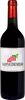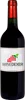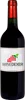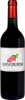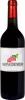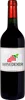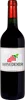
Bodega FlorsClotàs M
 Red wine



In the mouth this red wine is a powerful with a nice balance between acidity and tannins.
This wine generally goes well with beef, game (deer, venison) or lamb.

Taste structure of the Clotàs M from the Bodega Flors
Light | Bold | |
Smooth | Tannic | |
Dry | Sweet | |
Soft | Acidic |
In the mouth the Clotàs M of Bodega Flors in the region of Valence is a powerful with a nice balance between acidity and tannins.
Wine flavors and olphactive analysis



On the nose the Clotàs M of Bodega Flors in the region of Valence often reveals types of flavors of spices.
Food and wine pairings with Clotàs M
Pairings that work perfectly with Clotàs M



Original food and wine pairings with Clotàs M

The Clotàs M of Bodega Flors matches generally quite well with dishes of beef, pasta or lamb such as recipes of shepherd's pie (potatoes, beef, carrots, bacon), three ways to prepare chinese noodles or meatballs catalan style.
Details and technical informations about Bodega Flors's Clotàs M.
Discover the grape variety: Juwel
Aromatic, fine whites with a pale golden robe and an airy palate, with signature aromas of white flowers, white-fleshed fruit (apple, pear) and delicate notes. Supple and accessible profile. Grown on small surfaces in Germany, remains very niche, used in blends or for dry whites. German white variety obtained at Geisenheim (riesling × pinot blanc), medium ripening.
Last vintages of this wine
The best vintages of Clotàs M from Bodega Flors are 2017, 2010, 0, 2011 and 2015.
Informations about the Bodega Flors
The Bodega Flors is one of of the world's greatest estates. It offers 8 wines for sale in the of Castelló to come and discover on site or to buy online.

The wine region of Castelló
Spanish IGP (Vino de la Tierra, 2004) from the province of Castellón in northern Valencia, on the Mediterranean coast. Bobal is king in native Levante reds: dense and structured with notes of blackberry, black cherry, stewed plum, herbs and a peppery touch, firm tannins and radiant sunlit fruit. Round Garnacha, powerful Monastrell, balanced Tempranillo and spicy Syrah as complements. Crisp Macabeo, floral Malvasía, fragrant Moscatel and Verdil in fresh whites.
The wine region of Valence
Sunny Mediterranean Levant, sun-drenched accessible wines. Monastrell (Mourvèdre) star red in Alicante: fleshy and deep with black fruits, garrigue, leather and spice, firm tannins. Round, fruity Bobal from Utiel-Requena, supple Garnacha, juicy Tempranillo. Fresh whites: light Merseguera, aromatic Moscatel (fresh grape, flowers).
The word of the wine: Nose
In tasting, this is the second phase, which consists of identifying the wine's aromas and possibly its defects.